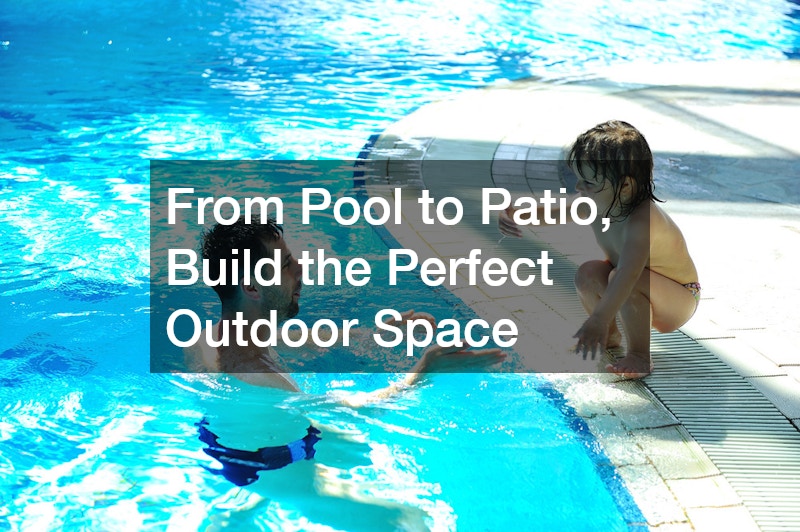
A well-designed outdoor space does more than improve how your home looks. It changes how you live. The right setup turns your backyard into a place where you can relax, entertain, and spend meaningful time without ever leaving home.
Too often, homeowners approach outdoor upgrades piece by piece. A pool gets added one year, a patio the next, and lighting later on. The result is a space that feels disconnected, both visually and functionally. The key to creating something that truly works is thinking about the entire environment from the start.
This guide walks through the process step by step, helping you plan, build, and maintain a backyard that feels intentional, durable, and enjoyable for years to come.
Start With a Master Plan Before You Build Anything
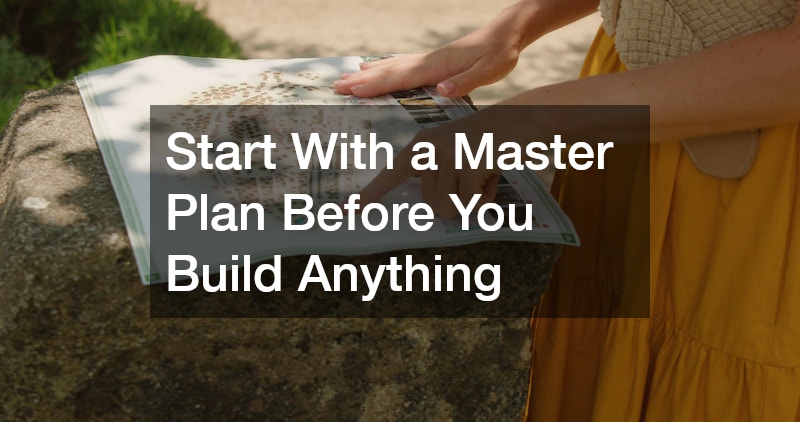
Before any construction begins, the most important step is creating a clear plan. Without it, even high-quality work can feel scattered or inefficient.
Start by defining how you want to use your outdoor space:
- Entertaining guests
- Family time and relaxation
- Outdoor dining
- Quiet retreat areas
Once you know the purpose, divide your yard into zones. Think in terms of flow. How will someone move from the house to the seating area, to the pool, and back again? Working with local pool companies early in the process can help you understand what’s possible based on your property’s size and layout. They often see issues homeowners miss, such as drainage concerns or space limitations. Experienced pool builders also play a key role in aligning your ideas with reality. They can recommend shapes, depths, and placements that not only look good but also function well over time.
Actionable tips:
- Sketch a rough layout before contacting professionals
- Prioritize function first, aesthetics second
- Plan for future additions, even if you’re not building everything now
- Keep pathways wide and intuitive
A strong plan saves time, reduces costs, and ensures every part of your outdoor space works together.
Prepare Your Property for a Clean, Usable Layout
Once you have a plan, the next step is preparing the space. This phase is often overlooked, but it sets the foundation for everything that follows. Start by decluttering the area to ensure that you have a clean slate. Remove any unnecessary items that can distract you or hinder progress. Next, assess the layout and functionality of the space. Consider how the arrangement will support the activities you plan to engage in.
If it’s a workspace, ensure that everything is organized and easily accessible; if it’s a living area, think about comfort and aesthetics. Proper lighting is also crucial—natural light can boost your mood, while good artificial lighting can help you focus during detailed tasks.
Additionally, don’t forget about the essentials like power outlets and internet connectivity if needed. Lastly, take a moment to personalize the space with items that inspire you, as this can motivate you to stay engaged and productive. By carefully preparing your environment, you create an atmosphere that fosters creativity, focus, and success.
Start by evaluating your yard:
- Are there large trees in the way?
- Is the ground uneven?
- Are there roots or old stumps beneath the surface?
In many cases, bringing in a professional tree removal service is necessary to clear the space safely. Attempting to work around large trees can limit your layout and create long-term maintenance issues.
Equally important is stump removal. Leaving stumps behind may seem harmless, but they can:
- Interfere with foundations
- Cause uneven settling
- Attract pests
- Make future construction more difficult
Clearing the space properly allows contractors to build on solid, stable ground.
Helpful tips:
- Remove obstacles before finalizing measurements
- Check for underground utilities before digging
- Level the ground where needed
- Plan for proper drainage early
A clean slate gives you the flexibility to build exactly what you envisioned.
Build a Strong Foundation With Smart Structural Elements
With the site cleared, it’s time to focus on structure. This is where long-term durability is determined. A well-designed structure not only ensures safety and stability but also minimizes future maintenance costs. It’s essential to choose materials that are not only strong but also resistant to environmental factors such as moisture, temperature fluctuations, and potential pests. Careful planning of the layout and adherence to building codes will further enhance the project’s longevity. Additionally, considering sustainable practices and energy-efficient designs can contribute to a smaller ecological footprint while maximizing the lifespan of the structure. Overall, this phase is crucial as it sets the foundation for everything that follows.
If your yard has slopes or elevation changes, working with a retaining wall contractor is essential. Retaining walls:
- Prevent soil erosion
- Create level areas for building
- Improve drainage
- Add visual interest
Skipping this step can lead to shifting ground and costly repairs down the line.
A skilled hardscaping contractor can then take your layout and turn it into a functional base. This includes:
- Leveling surfaces
- Installing pavers or stone
- Creating walkways and steps
- Ensuring proper water runoff
Key considerations:
- Use materials suited to your climate
- Ensure proper base preparation beneath surfaces
- Plan drainage to move water away from structures
- Think long-term, not just immediate appearance
Investing in structure first ensures everything built on top will last.
Design a Patio That Connects the Entire Space
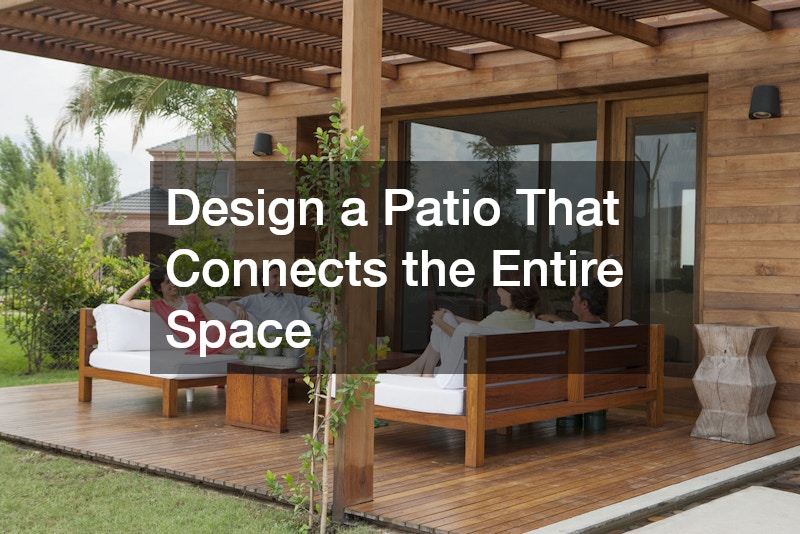
Your patio is the central hub of your outdoor space. It connects the house to the yard and acts as the main gathering area. A well-designed patio not only enhances the aesthetic appeal of your home but also provides a comfortable space for relaxation and entertainment. Picture cozy seating arrangements, a sleek grill for summer barbecues, and perhaps a fire pit for those cooler evenings. Adding some greenery with potted plants or climbing vines can create a serene atmosphere, while decorative lighting can transform it into a magical retreat at night. Whether hosting family gatherings, enjoying a quiet evening with a book, or sipping coffee in the morning sun, a patio can serve multiple functions. It becomes an extension of your living space, perfect for enjoying the great outdoors while still having the comforts of home. Plus, with careful selection of materials and decor, a patio can reflect your personal style, making it a true reflection of you and your lifestyle.
Working with a brick patio contractor can help you achieve both durability and style. Brick offers:
- Timeless appearance
- Strong resistance to weather
- Easy repairs if needed
When designing your patio, think about:
- Furniture placement
- Walking paths
- Proximity to the pool
- Access to shade
For homeowners in areas with bugs or unpredictable weather, adding a screened in patio can extend usability. It creates a comfortable space that can be used throughout more of the year.
Design tips:
- Leave enough space for movement around furniture
- Use consistent materials to tie the space together
- Consider built-in features like seating or fire pits
- Align patio height with door thresholds for smooth transitions
A well-designed patio brings everything together and makes your outdoor space feel complete.
Keep Your Pool Water Balanced and Easy to Maintain
A beautiful pool is only enjoyable if it’s comfortable and safe to use. Water chemistry plays a major role in both. Properly balanced water not only prevents skin irritation and eye discomfort but also helps to ensure the longevity of your pool and its equipment. Regular testing of pH levels, alkalinity, and chlorine is essential to maintain this balance. For instance, if the pH level is too high or too low, it can lead to discomfort for swimmers and potentially damage pool surfaces. Additionally, keeping an eye on water hardness can prevent scaling and corrosion. Moreover, safe pool practices, such as ensuring good circulation and regular cleaning, contribute to a pleasant swimming experience. Clear water is inviting, and proper filtration helps eliminate debris and contaminants. By taking the time to manage water chemistry effectively, pool owners can create an oasis that is not just visually appealing but also a safe and refreshing retreat for family and friends. Enjoying a day by the pool can become a cherished experience when the environment is both beautiful and well-maintained.
One of the most common issues homeowners face is imbalanced pH levels. Knowing how to properly lower ph in swimming pool water helps prevent:
- Skin and eye irritation
- Damage to pool equipment
- Cloudy or unappealing water
Maintaining balance doesn’t have to be complicated. A simple routine can keep everything in check.
Weekly maintenance checklist:
- Test water using a reliable kit
- Adjust chemicals as needed
- Skim debris from the surface
- Check filters and pumps
Additional tips:
- Add chemicals gradually and test again before adding more
- Keep a log of readings to track patterns
- Clean filters regularly to improve circulation
Consistency is key. Small, regular adjustments are far more effective than occasional large corrections.
Layer Lighting for Safety, Function, and Atmosphere
Lighting transforms your outdoor space after sunset. It extends usability and adds a level of ambiance that daytime design alone cannot achieve.
Thoughtful landscape lighting serves three main purposes:
- Safety: illuminating pathways, steps, and edges
- Function: lighting, seating, and dining areas
- Aesthetics: highlighting features like plants and water
Types of lighting to consider:
- Path lights for walkways
- Spotlights for focal points
- Ambient lighting for overall glow
- Task lighting for specific areas
Placement matters just as much as the fixtures themselves.
Best practices:
- Avoid overly bright lights that create glare
- Use warm tones for a more inviting feel
- Space lights evenly for consistent coverage
- Highlight, don’t overwhelm
Well-planned lighting enhances both the look and usability of your outdoor space.
Choose Materials and Features That Last Over Time

Durability should always be a priority when selecting materials. Outdoor environments are exposed to weather, temperature changes, and regular use.
Common material options:
- Natural stone: durable and visually appealing
- Concrete: versatile and cost-effective
- Pavers: easy to repair and replace
- Composite materials: low maintenance
Consider your climate when making choices. Freeze-thaw cycles, intense sun, and heavy rain all impact how materials perform.
Tips for longevity:
- Choose materials designed for outdoor use
- Avoid trends that may quickly feel outdated
- Invest in proper installation to prevent early wear
- Plan for maintenance needs from the start
A focus on durability ensures your space continues to look and function well for years.
Create Defined Zones Without Making the Space Feel Choppy
A great outdoor space feels organized without feeling divided. The goal is to create distinct areas that still flow together naturally.
Ways to define zones:
- Use different materials or textures
- Incorporate subtle elevation changes
- Arrange furniture to guide movement
- Add plants or low borders as separators
At the same time, maintain visual consistency:
- Repeat colors and materials
- Keep design elements cohesive
- Avoid abrupt transitions
Tips:
- Use curves or gradual changes instead of sharp lines
- Keep sightlines open where possible
- Balance open space with defined areas
This approach creates a space that feels both structured and inviting.
Plan for Comfort, Shade, and Year-Round Use
Comfort is what determines how often your outdoor space is actually used. Without it, even the most beautiful design can go underutilized.
Key comfort factors:
- Shade from sun exposure
- Protection from wind
- Temperature control
Options to consider:
- Pergolas or covered areas
- Umbrellas for flexible shade
- Outdoor heaters for cooler months
- Fans or misting systems for hot climates
Practical tips:
- Position seating based on sun patterns
- Provide multiple seating options
- Use cushions and materials designed for outdoor use
- Plan for seasonal changes
Designing with comfort in mind ensures your space is enjoyable throughout the year.
Work With the Right Professionals to Bring It All Together
Even with a solid plan, the success of your project depends on execution. Choosing the right professionals is critical.
What to look for:
- Experience with similar projects
- Clear communication and transparency
- Strong references and reviews
- Detailed estimates and timelines
Working with multiple specialists requires coordination. Make sure everyone is aligned on the overall vision.
Helpful questions to ask:
- What is the expected timeline?
- How will unexpected issues be handled?
- What maintenance will be required after completion?
Tips for success:
- Keep communication consistent
- Document decisions and changes
- Stay involved without micromanaging
The right team can turn a good plan into an exceptional result.
Transforming Your Backyard into a Thoughtful Outdoor Haven
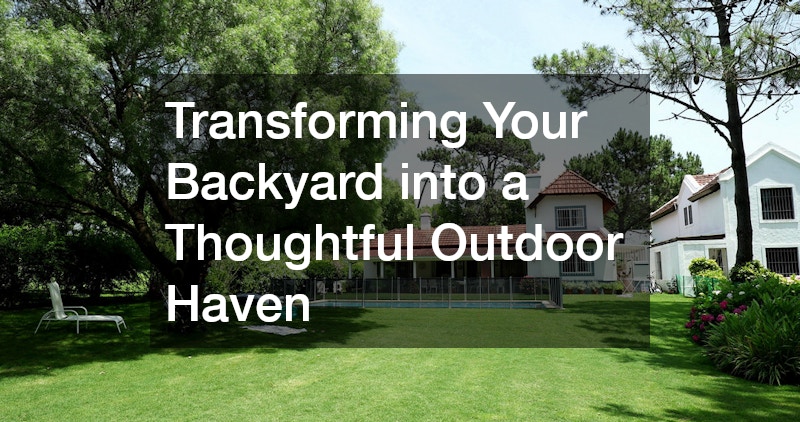
Creating the perfect outdoor space is about more than adding features. It’s about building a cohesive environment that supports how you want to live. From thoughtful planning and proper preparation to durable construction and ongoing care, every step contributes to the outcome. When each element is considered as part of a larger system, the result is a space that feels intentional, functional, and enjoyable.
With the right approach, your backyard can become one of the most valuable and rewarding parts of your home.