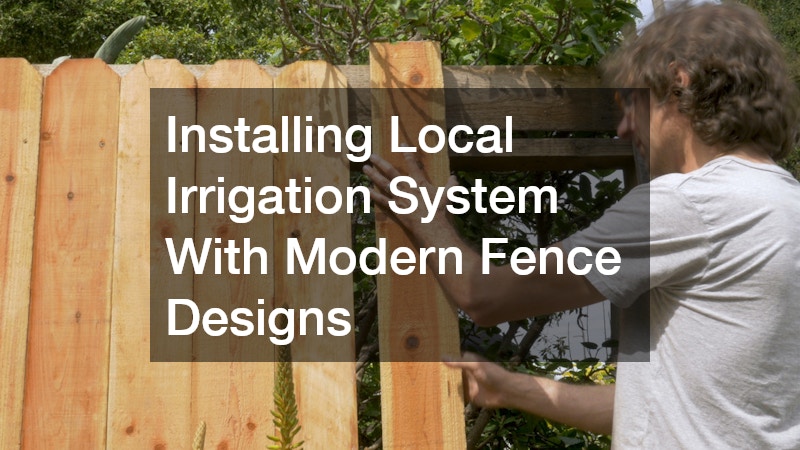
Modern outdoor spaces are no longer designed as separate, unrelated features. Homeowners increasingly expect their yards to function as coordinated systems where water management, structure, and aesthetics all work together. This shift has made it more important than ever to plan installations holistically rather than treating irrigation, fencing, and landscaping as independent projects.
One of the most effective ways to achieve a well-balanced yard is by integrating water delivery systems with boundary structures from the beginning. When done correctly, this approach improves efficiency, reduces maintenance issues, and enhances the overall appearance of the property.
This article breaks down how thoughtful planning, material selection, and professional coordination can help create a durable and functional outdoor environment.
1. Planning a Unified Yard Layout Before Installation
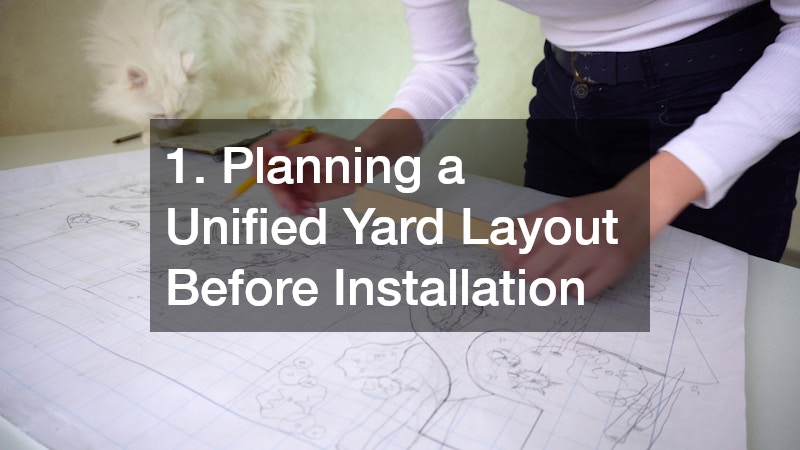
Before any physical work begins, the most important step is developing a complete understanding of how the yard will function as a whole. This includes identifying how water will move through the property and how structural elements will define usable space.
A well-designed local irrigation system should not be an afterthought—it needs to be mapped alongside walkways, planting beds, and fencing boundaries. This ensures that water is distributed efficiently without interfering with structural elements or creating oversaturated areas.
A landscaping company can help homeowners visualize how different zones will interact, ensuring that irrigation coverage, plant placement, and open space are balanced. This early-stage planning reduces the risk of redesigns later in the project.
Key planning considerations include:
- Mapping sun exposure to determine watering needs
- Identifying slope direction for water runoff
- Defining functional zones (garden, lawn, perimeter, entry areas)
- Ensuring irrigation lines do not conflict with future fence posts
- Planning access for maintenance and future upgrades
A coordinated layout ensures that every system works together rather than competing for space.
2. Choosing Entry Points and Functional Access Areas
Access planning is often overlooked, but it plays a critical role in long-term usability. Entry points must support both daily movement and maintenance needs without interfering with underground systems or structural boundaries.
Proper gate installations ensure that access points are strategically placed for convenience while maintaining the integrity of surrounding systems. Poor placement can lead to repeated wear on irrigation lines or restricted access for repairs.
A fence contractor typically evaluates property layout to determine where access points should be positioned for maximum efficiency and durability.
Best practices for access planning include:
- Placing gates near high-traffic pathways
- Avoiding irrigation lines beneath gate swing zones
- Ensuring easy access to control valves and system components
- Aligning access points with driveways or patios
- Keeping maintenance routes unobstructed
When access is properly integrated into the design, long-term maintenance becomes significantly easier.
3. Selecting Modern Fence Styles for Long-Term Performance
Material selection plays a major role in both durability and system compatibility. Modern fencing must withstand environmental exposure while also accommodating underground irrigation layouts.
Vinyl fencing has become a popular choice because it resists moisture damage and requires minimal maintenance. It also works well in environments where irrigation systems are present, as it is less susceptible to rot or corrosion.
Choosing appropriate fence materials also affects installation flexibility. Some materials are easier to modify or repair if irrigation systems need adjustments in the future.
Important considerations include:
- Resistance to water exposure and soil contact
- Compatibility with underground irrigation layout
- Expected lifespan under local weather conditions
- Maintenance requirements over time
- Aesthetic compatibility with overall landscape design
The right material choice reduces long-term costs and improves system reliability.
4. Coordinating Professional Installation Teams Efficiently
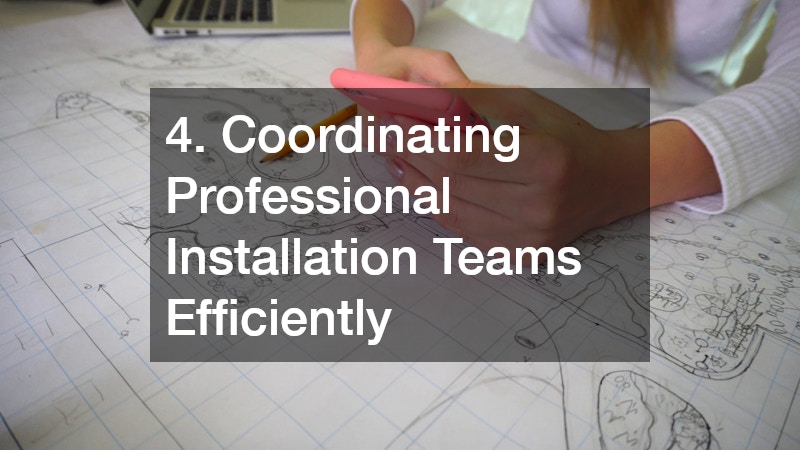
Large outdoor projects often require multiple professionals working in sequence. Without coordination, systems can conflict, leading to unnecessary repairs or delays.
Fence companies typically handle boundary installation, while irrigation specialists focus on water distribution systems. Ensuring these teams work together prevents damage to installed components and avoids costly rework.
A fence contractor often plays a key role in ensuring posts, panels, and structural elements are installed after irrigation lines are properly placed and tested.
Key coordination strategies include:
- Scheduling irrigation installation before fencing
- Conducting shared site inspections before work begins
- Establishing clear communication between teams
- Marking underground system locations clearly
- Avoiding overlapping excavation timelines
When professionals collaborate effectively, the result is a smoother installation process and a more durable final product.
5. Designing Water Coverage for Maximum Efficiency
Efficient water distribution is essential for maintaining a healthy landscape while minimizing waste. A properly designed local irrigation system ensures that every area receives the appropriate amount of water without oversaturation.
A landscaping company can help design irrigation zones based on plant type, soil condition, and sunlight exposure. This prevents uneven growth and reduces unnecessary water usage.
Effective irrigation design strategies include:
- Dividing the yard into separate watering zones
- Matching sprinkler types to plant needs
- Adjusting watering schedules based on the season
- Preventing overspray onto hardscape or fencing
- Monitoring soil absorption rates
A well-balanced system improves plant health while reducing utility costs.
6. Integrating Decorative Boundaries With Functional Design
Fencing is no longer just a boundary marker—it is an essential design feature that contributes to overall aesthetics and functionality. When properly integrated, fencing enhances both visual appeal and property organization.
Ornamental fencing provides decorative value while still serving as a structural boundary. It can be designed to complement the landscape while allowing irrigation systems to function without obstruction.
Selecting appropriate fence materials ensures that decorative elements remain durable and compatible with surrounding systems.
Design integration tips include:
- Matching fence style to home architecture
- Aligning fence lines with natural landscape contours
- Allowing space for irrigation runoff management
- Using fencing to frame garden or lawn areas
- Ensuring visual consistency across property boundaries
A well-designed boundary enhances the entire outdoor environment rather than isolating it.
7. Managing Drainage to Protect Fencing and Soil Stability
Water management is one of the most critical aspects of outdoor design. Without proper drainage, even well-installed systems can suffer from erosion, flooding, or structural damage.
French drain installations help redirect excess water away from critical areas, protecting both soil stability and structural components like fencing. These systems are especially important in properties with heavy irrigation use or poor natural drainage.
Landscape supplies and materials also play a role in supporting proper drainage. Gravel, soil amendments, and erosion control products help maintain system performance over time.
Key drainage strategies include:
- Installing drainage systems along fence lines
- Redirecting water away from structural posts
- Using gravel layers to improve soil absorption
- Preventing water pooling in low-lying areas
- Regularly inspecting drainage performance
Proper drainage ensures long-term stability and reduces maintenance issues.
8. Aligning Irrigation Systems With Hardscape Features
A well-planned irrigation layout must account for non-plant surfaces such as patios, walkways, and fencing. Misalignment can lead to water waste, surface damage, or uneven plant growth.
A local irrigation system should be designed to avoid overspray onto hardscape areas, which can cause staining or erosion over time. Careful zoning ensures that water is directed only where it is needed.
Fence companies often coordinate with irrigation installers to ensure boundary lines do not interfere with water distribution paths.
Best practices include:
- Adjusting sprinkler angles to avoid hard surfaces
- Separating irrigation zones from paved areas
- Testing system coverage before finalizing installation
- Using drip irrigation near structural boundaries
- Monitoring runoff patterns after installation
Proper alignment improves efficiency and protects property features.
9. Selecting Materials That Reduce Maintenance Over Time
Durability is one of the most important factors in outdoor design, especially in environments where systems are constantly exposed to moisture, sun exposure, and seasonal temperature changes. Choosing materials that resist weather damage and moisture exposure reduces long-term maintenance costs and helps prevent early deterioration that can compromise both appearance and function. When durability is prioritized from the beginning, homeowners are far less likely to face frequent repairs or unexpected replacement expenses.
Vinyl fencing is particularly effective in irrigation-heavy environments because it does not absorb water or degrade easily over time. Unlike traditional materials that may warp, rot, or rust when exposed to consistent moisture, vinyl maintains its structural integrity and visual consistency for years. This makes it a practical choice for homeowners seeking low-maintenance solutions, especially in yards where irrigation systems operate regularly or where soil moisture levels remain elevated. It also helps reduce the risk of staining or discoloration caused by constant water exposure.
Landscape supplies and materials should also be chosen with longevity in mind, as these foundational elements directly influence how well the entire system performs over time. High-quality soil improves drainage and plant health, while durable edging materials help define planting areas and prevent erosion. Reliable irrigation components ensure consistent water delivery without frequent breakdowns or inefficiencies. When these materials are selected carefully, they work together to create a more stable and efficient outdoor environment.
Maintenance-reducing strategies include:
- Selecting weather-resistant fencing materials that can withstand prolonged exposure to sun, rain, and irrigation without weakening or fading
- Using high-quality irrigation components designed for consistent performance and reduced risk of leaks or uneven water distribution
- Avoiding materials prone to rot or corrosion, especially in areas with frequent moisture contact or poor drainage conditions
- Planning for easy access to repair points so that maintenance tasks can be completed quickly without disrupting surrounding structures
- Prioritizing long-lasting structural designs that reduce the need for frequent replacements or major system overhauls
Durable materials significantly extend the life of the entire system by minimizing wear-related issues and ensuring that both functional and aesthetic elements remain stable and reliable over time.
10. Ensuring Long-Term Performance Through Proper Planning
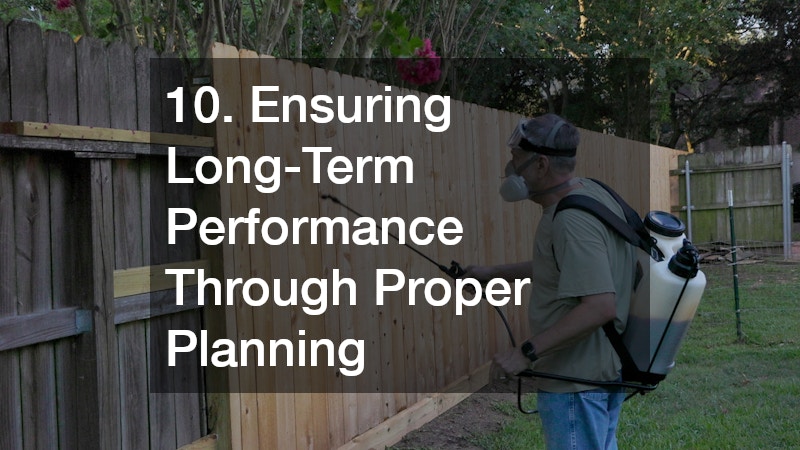
Long-term success depends on consistent maintenance and proactive system management, because outdoor installations are constantly exposed to changing weather conditions, soil movement, and plant growth cycles. Even the best installations require periodic adjustments to remain efficient and functional, especially as landscapes mature and irrigation demands shift throughout the year. Without routine attention, small inefficiencies can gradually develop into larger issues such as uneven watering, weakened structural supports, or reduced system performance.
Working with a fence contractor for inspections helps ensure that structural components remain stable over time, especially in areas affected by irrigation moisture or soil movement. Over time, even minor ground shifts can influence post alignment, tension in fencing sections, or stability at gate points. Regular inspections allow these issues to be identified early, preventing more extensive repairs later. A contractor can also check for subtle signs of wear that homeowners may overlook, such as loosening fasteners, early corrosion points, or soil displacement around support posts.
Ornamental fencing also requires occasional evaluation to ensure it continues to complement the landscape without being affected by shifting conditions or water exposure. Exposure to irrigation overspray or seasonal saturation can gradually impact appearance and structural integrity if not monitored. In addition, vegetation growth around fencing can alter drainage patterns or create pressure points that affect alignment. Periodic evaluation ensures the fencing maintains both its aesthetic appeal and its functional role as a boundary element.
Long-term maintenance considerations include:
- Seasonal irrigation system adjustments to account for temperature changes, rainfall variation, and plant growth cycles
- Regular inspection of fence stability to identify shifting posts, loose panels, or stress points before they worsen
- Monitoring for soil erosion or settling that could compromise both irrigation efficiency and structural alignment
- Cleaning and maintaining sprinkler heads to prevent clogging, uneven spray patterns, or reduced water pressure
- Updating system settings based on plant growth to ensure water distribution remains appropriate as vegetation matures
With proper oversight, outdoor systems remain efficient and visually appealing for many years, while also reducing the likelihood of unexpected repairs or costly system failures.
Conclusion
Integrating irrigation systems with modern fencing design requires careful planning, coordinated installation, and thoughtful material selection. When each component is designed to work with the others, the result is a more efficient, durable, and visually cohesive outdoor space. Homeowners who take a strategic approach to layout, drainage, and system compatibility are better positioned to avoid costly repairs and enjoy a more functional yard over the long term.
Furthermore, incorporating sustainable practices, such as drip irrigation or rainwater harvesting, can enhance the eco-friendliness of the design while ensuring plants receive the right amount of moisture. Using materials that complement both the fencing and landscaping can create a seamless transition between different areas of the yard, making the space not only practical but also aesthetically pleasing. Overall, thoughtful integration of these features leads to a more harmonious environment that enhances the overall value of the property.