Summer is a practical time to address property hazards, improve outdoor spaces, and prepare for severe weather. Uneven pavement, drainage problems, damaged structures, water intrusion, and unstable features can create risks for residents, visitors, and vehicles. Planning improvements early allows homeowners to identify problems, prioritize repairs, coordinate contractors, and address issues before they become more serious. Whether the project involves structural repairs, landscaping, paving, or outdoor upgrades, careful preparation can make the property safer and more functional.
1. Inspect Older Structures Before Tackling Summer Projects
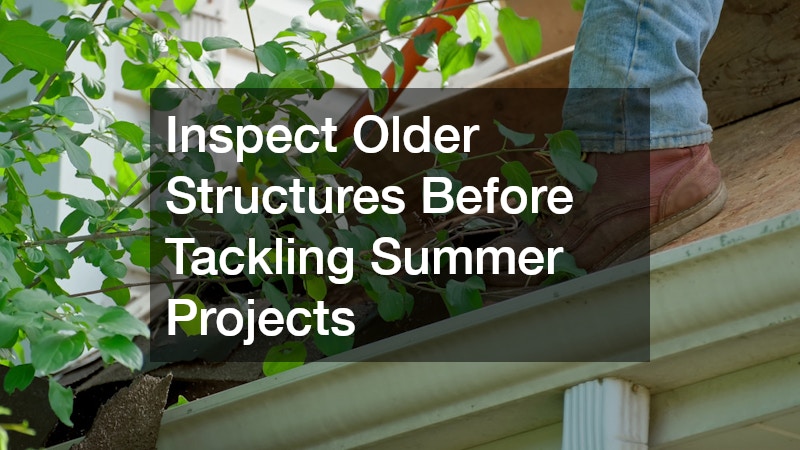
Older structures can develop problems that are not immediately visible. Manufactured homes, for example, may have aging roofing materials, deteriorated siding, damaged steps, worn supports, or water intrusion that needs attention. Summer provides a practical opportunity to inspect these areas before increased outdoor activity or severe weather exposes existing weaknesses.
Professional mobile home services can help property owners evaluate issues specific to manufactured housing and determine which repairs or upgrades deserve priority. An inspection should cover both the structure itself and the surrounding areas that may affect its stability or safety.
Property owners should look for:
- Soft or damaged flooring near doors and windows.
- Cracks, leaks, or deteriorated exterior materials.
- Loose railings, steps, decks, or porches.
- Damaged skirting or exposed areas beneath the structure.
- Signs of moisture, mold, or prolonged water exposure.
- Doors and windows that no longer close or operate properly.
Repairs should be prioritized according to their potential safety impact. A loose step or deteriorated support deserves attention before cosmetic improvements. Property owners should also review applicable building requirements before making structural changes, particularly when modifying additions, decks, stairs, or other attached features.
Addressing problems while they are still manageable can reduce the likelihood of larger repairs later. It also gives homeowners an opportunity to coordinate structural work with other planned improvements rather than having to interrupt another project unexpectedly.
2. Keep Renovation Debris Contained And Away From Hazards
Summer renovations often involve demolition, landscaping, roofing, fencing, paving, or other work that generates significant debris. Piles of lumber, broken concrete, discarded materials, and other waste can quickly create hazards around a property. They may obstruct walkways, create tripping risks, damage vehicles, or interfere with contractors trying to move equipment.
A dumpster rental can provide a designated location for approved construction and renovation waste. Planning its placement before work begins is important because the container should be accessible without creating a new hazard. Homeowners should consider the driveway, pedestrian routes, overhead clearance, and proximity to the work area.
Before arranging waste removal, consider:
- The estimated amount and type of debris.
- The available space for the container.
- Whether delivery equipment can access the property.
- How long the container will need to remain onsite.
- Which materials are permitted inside the container.
- How the container may affect driveways, landscaping, or walkways.
Debris should not be allowed to accumulate around active work areas. Sharp materials, broken glass, nails, and other construction waste can pose serious risks to residents, workers, and pets.
Homeowners should also follow disposal requirements for materials that cannot be placed in a standard container. Paint, chemicals, certain appliances, and other restricted materials may require separate handling. Planning waste disposal at the beginning of a project helps keep the site organized and reduces unnecessary hazards throughout construction.
3. Repair Driveways And Parking Areas Before They Deteriorate
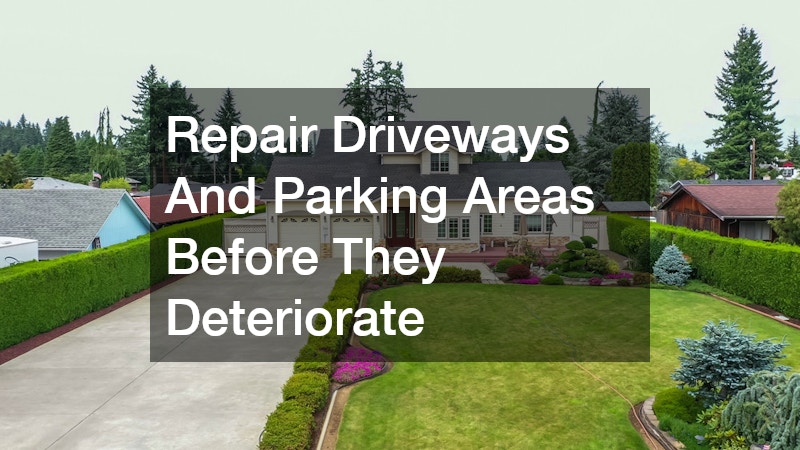
Driveways and parking areas receive frequent use during the summer, particularly when homeowners host guests, complete outdoor projects, or use recreational equipment. Cracks, potholes, uneven surfaces, and deteriorating edges can create hazards for pedestrians and vehicles. Small pavement problems can also become more difficult to address when water enters cracks and weakens the underlying surface.
A professional assessment can help determine whether a damaged area needs patching, resurfacing, or more extensive reconstruction. Asphalt paving contractors can evaluate the condition of the pavement, drainage patterns, base materials, and areas experiencing repeated deterioration.
Homeowners should inspect:
- Cracks that are widening or spreading.
- Potholes that collect standing water.
- Uneven transitions between pavement and other surfaces.
- Broken or deteriorated pavement edges.
- Areas where water consistently pools.
- Sections showing extensive surface deterioration.
Drainage deserves particular attention. Water that remains on or beneath pavement can contribute to continued deterioration. If drainage is contributing to the problem, repairing the surface without addressing the underlying issue may provide only temporary results.
Property owners should also consider the timing of other projects. If excavation, grading, utility work, or landscaping is planned, paving may be better scheduled after those activities are complete. Coordinating the sequence can reduce the risk of damaging newly installed pavement and can prevent contractors from having to reopen finished areas.
4. Improve Outdoor Living Areas With Better Protection
Outdoor living spaces become especially valuable during the summer, but they can also expose residents to insects, weather, and other environmental conditions. Screened patios, porches, and similar spaces can provide a more comfortable area for spending time outside while limiting access for insects. Before adding or replacing screening, however, homeowners should evaluate the condition of the existing structure.
A local screen enclosure company can assess the enclosure’s framing, screening materials, doors, attachment points, and overall condition. This is particularly important when an older enclosure has experienced storm damage, corrosion, or prolonged exposure to moisture.
Before upgrading an enclosure, inspect:
- Damaged, loose, or missing screening.
- Corroded or deteriorated framing.
- Doors that do not close properly.
- Loose fasteners or attachment points.
- Cracks or movement in the supporting structure.
- Areas where water drains toward the enclosure.
Homeowners should address structural problems before focusing on new screening materials. Installing fresh screens on an unstable frame will not resolve the underlying safety concern. The surrounding patio or porch should also be examined for uneven surfaces, loose railings, damaged stairs, or other hazards.
The planned enclosure should fit the property’s existing layout and intended use. Homeowners should consider access, ventilation, drainage, maintenance, and local requirements before beginning construction.
5. Address Underground Hazards Before Building Or Landscaping
Summer is a common time for projects involving landscaping, drainage, foundations, patios, driveways, and other improvements that require digging. Excavation can expose underground utility lines, drainage components, septic systems, foundations, and other infrastructure. Damaging one of these systems can create a significant safety issue and interrupt the entire project.
Before excavating, property owners should determine what exists beneath the area where work is planned. Utility locating procedures should be completed as required, and contractors should have clear information about known underground infrastructure. This is particularly important when the project involves deep trenches, substantial grading, or work near existing structures.
Planning should account for:
- The location of underground utility lines.
- Existing drainage and irrigation systems.
- Septic tanks, drain fields, or other wastewater components.
- Foundation footings and structural elements.
- Property boundaries and neighboring improvements.
- The planned depth and limits of excavation.
Excavation can also change how water moves through a property. Removing soil or creating a new slope can redirect runoff toward a building, driveway, or neighboring property.
Large excavation projects should be handled by appropriately qualified professionals with the necessary equipment and safety procedures. Keeping workers and residents away from active excavation areas is also important, particularly where deep trenches or unstable soil are present.
6. Correct Uneven Ground And Drainage Problems
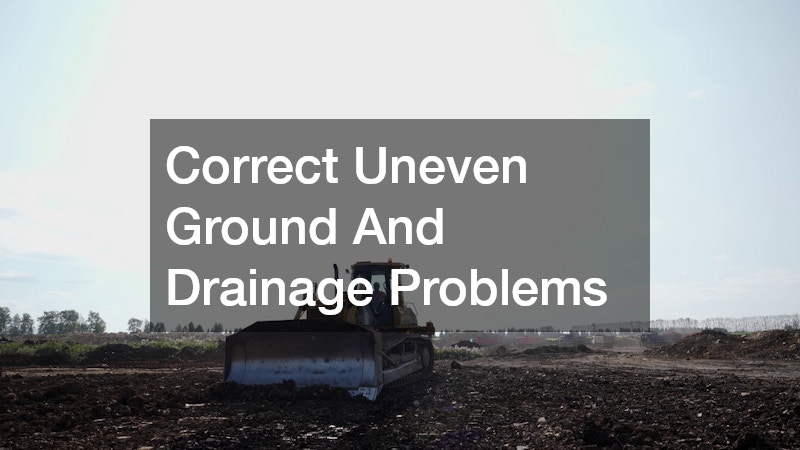
Poor drainage can affect both property safety and structural condition. Water that collects near walkways can create slippery surfaces, while persistent moisture around foundations, retaining structures, and other improvements can contribute to deterioration. Uneven ground can also create trip hazards and make certain areas difficult to use.
Grading services can help address problems involving the slope and elevation of the ground. Before changing the grade, homeowners should identify where water currently flows and where it collects after rainfall. The goal is not simply to move soil but to establish a suitable drainage pattern for the property.
Common areas to inspect include:
- Low spots that collect water after storms.
- Slopes directing runoff toward structures.
- Walkways with uneven or settled sections.
- Eroded areas where soil is being displaced.
- Landscaping areas showing repeated water accumulation.
- Transitions between paved and unpaved surfaces.
Drainage improvements should be planned alongside other property projects. For example, installing a new patio, driveway, or retaining structure can alter existing runoff patterns. Completing one project without considering the others may create a new drainage problem.
Property owners should also avoid making major elevation changes without understanding where runoff will go. A professional evaluation can help determine the appropriate approach for complex grading situations, particularly when substantial amounts of soil must be moved.
7. Respond Quickly To Signs Of Water Intrusion
Water intrusion can develop after heavy summer storms, plumbing failures, roof leaks, drainage problems, or damaged windows and doors. The visible damage may be limited to staining or damp flooring, but moisture can also affect materials beneath surfaces and inside walls. Prompt attention is important because the longer affected materials remain wet, the greater the potential for additional damage.
A water damage restoration service can evaluate affected areas, identify the extent of the damage, and help with appropriate cleanup and restoration. Property owners should also investigate the source of the water rather than focusing solely on visible damage.
Warning signs include:
- Water stains on ceilings or walls.
- Warped flooring or baseboards.
- Persistent musty odors.
- Damp insulation or drywall.
- Standing water in lower areas.
- Peeling paint or deteriorating finishes.
If water enters a property during a storm, homeowners should document visible damage when it is safe to do so. Photographs and written records can help with restoration planning and insurance documentation when applicable.
Property owners should also pay attention to less obvious moisture. Areas behind cabinets, beneath flooring, and inside walls can remain damp after the surface appears dry. A professional assessment can help identify affected areas and determine what needs to be repaired or replaced.
8. Remove Unsafe Structures Before They Become Bigger Hazards
Old sheds, detached garages, damaged decks, unused outbuildings, and other deteriorating structures can become safety concerns when their materials weaken. Roof damage, structural deterioration, unstable walls, and exposed nails or fasteners can put residents and visitors at risk. Summer can be an appropriate time to address these structures before they deteriorate further.
Demolition may be appropriate when a structure is beyond practical repair, but the work requires careful planning. Before removing a building or substantial structure, homeowners should determine whether permits are required and whether utilities must be disconnected. They should also identify any materials that require specialized handling.
Important considerations include:
- Obtaining required approvals before work begins.
- Disconnecting electricity, gas, water, and other services as appropriate.
- Identifying potentially hazardous materials.
- Establishing a controlled work area.
- Planning for debris removal.
- Keeping children, pets, and unauthorized people away from the site.
After the structure is removed, the property should not simply be left with an uneven or unstable surface. The area may need grading, drainage improvements, landscaping, or another form of site preparation before it can safely be used again.
9. Store And Maintain Equipment Away From High-Traffic Areas
Equipment used for agriculture, landscaping, construction, and property maintenance can become a safety hazard when it is parked or stored improperly. Large machinery can obstruct driveways and walkways, while smaller tools and attachments can create trip hazards if they are left in areas used by residents or visitors.
Farm equipment requires particular attention because tractors, trailers, implements, and other machinery can be large, heavy, and difficult to maneuver. Equipment should be stored in designated areas where it will not interfere with pedestrian traffic or active construction.
Safe storage practices include:
- Parking machinery on stable, suitable surfaces.
- Keeping equipment away from pedestrian pathways.
- Securing attachments and accessories when not in use.
- Storing fuel and maintenance materials appropriately.
- Keeping keys and controls inaccessible to unauthorized users.
- Maintaining clear access around stored machinery.
Before operating equipment, users should follow applicable manufacturer instructions and safety requirements. Maintenance should not be overlooked, either. Worn tires, damaged hydraulic components, faulty brakes, or other mechanical problems can create serious hazards. A clean, organized storage area can make inspections easier while reducing the likelihood that equipment will interfere with everyday property use.
10. Repair Retaining Structures Before Summer Storms
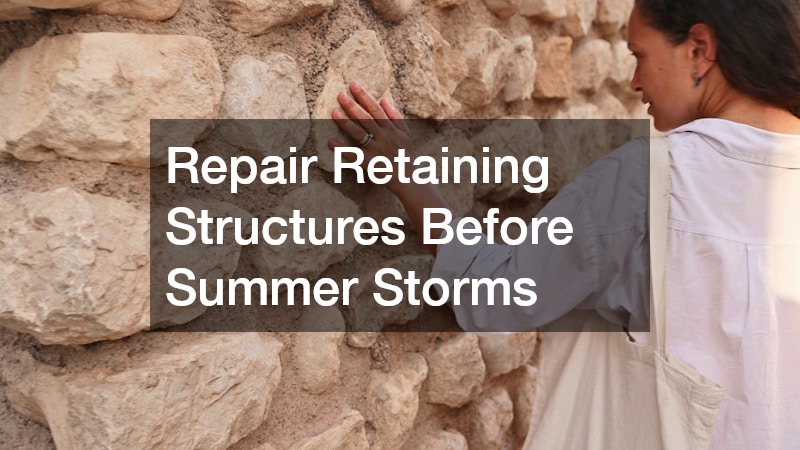
Retaining walls can help manage changes in elevation, support soil, and create usable areas on sloped properties. However, a damaged or unstable retaining structure can present a serious safety concern. Movement may become more noticeable after heavy rainfall, particularly when water accumulates behind the wall or surrounding soil becomes saturated.
Retaining wall repairs may be needed when homeowners notice leaning, cracking, bulging, separation, or other signs of movement.
Property owners should monitor for:
- Cracks that are increasing in size.
- Sections that appear to lean or bulge.
- Soil shifting behind or around the wall.
- Water collecting near the structure.
- Damaged or blocked drainage outlets.
- Gaps developing between the wall and surrounding ground.
Minor cosmetic deterioration may not indicate an immediate structural problem, but significant movement should be evaluated by an appropriately qualified professional. Attempting to correct a severely unstable wall without understanding the forces acting on it can create additional risks.
Other summer projects should also be planned around retaining structures. Excavation, grading, landscaping, and heavy equipment can disturb soil or place additional pressure near a wall. Drainage improvements may be necessary as part of a broader repair strategy.
Summer improvements can address hazards involving structures, drainage, pavement, water intrusion, and outdoor spaces. By inspecting the property, prioritizing safety concerns, and coordinating projects properly, homeowners can reduce risks and prevent minor problems from becoming more serious. Professional assistance can also help with complex projects involving structural work, excavation, demolition, and major repairs.