
As the snow melts and temperatures rise, spring is the perfect time to take a close look at how your home weathered the winter months. Cold, moisture, and freeze-thaw cycles can quietly damage roofing, plumbing, and outdoor structures in ways that aren’t always obvious at first glance. A thorough spring home inspection can uncover these hidden issues before they turn into costly emergencies. This guide walks you through the most common problem areas homeowners discover each spring and what to do about them.
Checking Your Roof for Winter Damage
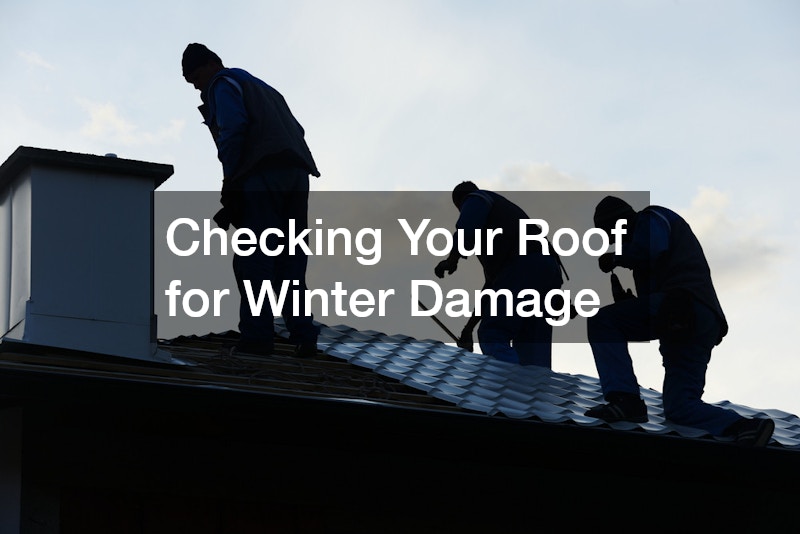
Winter storms, ice dams, and heavy snow loads put serious stress on your roof, often causing damage that isn’t visible from the ground. Loose or missing shingles, cracked flashing, and small leaks can develop slowly and lead to water intrusion in your attic or ceilings. A spring inspection is the ideal time to catch these problems early, before spring rains make them worse. If you notice granules collecting in your gutters or daylight peeking through your attic boards, it may be time to call in professionals who offer roof repair services to assess the damage.
- Look for curling, cracked, or missing shingles
- Check flashing around chimneys and vents for gaps
- Inspect the attic for water stains or damp insulation
- Note any sagging areas along the roofline
- Watch for granule buildup in gutters or downspouts
Inspecting Gutters and Downspouts for Spring Rains
Your gutter system works hard all winter, and by spring it may be clogged with leaves, ice residue, or debris that prevents proper drainage. When gutters are not functioning correctly, water can pool near your foundation, leading to basement leaks or landscape erosion. Sagging gutters or separated seams are also common after a harsh winter and should not be ignored. Prompt gutter repairs in early spring can prevent much larger water damage issues once the rainy season hits full force.
- Clear out leaves, twigs, and built-up debris
- Check for sagging sections or loose brackets
- Look for rust spots or visible cracks in seams
- Confirm downspouts direct water away from the foundation
Testing Your Cooling System Before Summer Heat Arrives
Many homeowners wait until the first hot day to think about their air conditioning, but spring is actually the smartest time to test your system. Dust, debris, and rodents can settle into outdoor units over the winter, clogging coils and affecting airflow and efficiency. A simple test run also lets you check that your thermostat is communicating properly with the unit before you need it every day.
Turn your system on and let it run for at least 15 minutes to see how it performs. Pay attention to how quickly the air cools, whether airflow feels weak at the vents, and if you notice any musty odors that could point to mold in the ductwork. Strange noises like grinding, clicking, or hissing are also red flags that shouldn’t be ignored, since they often signal loose parts or refrigerant leaks.
Catching these issues early means you can address them before you’re relying on the system daily through summer heat. Scheduling an AC repair service appointment in spring means shorter wait times, since HVAC companies are typically less busy compared to the rush that hits once temperatures climb into the 80s and 90s. It also gives technicians time to order any specialty parts, clean coils, check refrigerant levels, and replace air filters, so your cooling system is fully ready when the first heat wave arrives.
- Turn on the system and listen for unusual sounds like grinding, squealing, or rattling, which can signal worn belts, loose parts, or motor trouble
- Replace or clean air filters, and plan to swap them every 60–90 days during heavy summer use
- Check for weak or uneven airflow between rooms, which often points to duct leaks, blocked vents, or a struggling blower motor
- Clear debris from around the outdoor condenser unit, keeping at least 2 feet of clearance from plants, mulch, and yard clutter
- Inspect the thermostat by testing different settings to confirm the system responds promptly and accurately
- Look at the condensate drain line for clogs or standing water, which can cause leaks or shut down the unit
Giving Your Heating System a Final Check

Before you shut down your furnace for the season, it’s worth giving it one more look to make sure it made it through winter without issue. A furnace that struggled to keep up with demand or made unusual noises during the coldest months may have underlying mechanical problems. Catching these issues in spring, rather than waiting until next fall, gives you plenty of time to plan repairs without the pressure of an emergency. Many companies offering furnace repair services actually have more flexible scheduling in the off-season, making spring a convenient time for maintenance.
- Listen for banging, rattling, or squealing sounds
- Check the pilot light or ignition system for consistency
- Replace filters and clean around vents
- Note any unusual increases in your winter energy bills
Assessing Outdoor Structures and Surfaces After Winter
Fences, driveways, and walkways often take a beating from freeze-thaw cycles, road salt, and heavy snow removal equipment. Wood fences may show signs of rot, loose posts, or warping, while chain-link and vinyl fencing can develop cracks or bent sections. A quick walk around your property in spring helps you spot these issues while they are still minor and manageable. If a section of fence repair is needed, addressing it now prevents further structural weakening as the wood or materials continue to age.
Driveways and walkways deserve the same attention, since asphalt is particularly vulnerable to winter cracking and pothole formation. Water seeps into small cracks, freezes, expands, and creates larger gaps that only worsen with each freeze-thaw cycle. Left unaddressed, these cracks can grow into safety hazards or lead to more extensive resurfacing needs. Reaching out for local asphalt repair in early spring is often more affordable than waiting until damage spreads across a larger area.
- Inspect fence posts for looseness or leaning
- Check wood fencing for soft spots or rot
- Look for cracks, potholes, or heaving in driveways
- Note any drainage issues pooling near paved surfaces
Evaluating Your Home’s Water and Wastewater Systems
Underground systems like septic tanks and well pumps are easy to forget about since they’re out of sight, but winter conditions can still affect their performance. Frozen ground can shift pipes, and heavy snowmelt can overwhelm a septic system’s drain field, leading to slow drains or unpleasant odors. If you notice standing water near your septic tank or gurgling sounds in your plumbing, it may be time to schedule septic repairs before the problem worsens. Catching these signs early protects both your property and the health of your household.
Similarly, well pumps can suffer from reduced water pressure or unusual cycling after months of cold weather and reduced usage. A well pump repair service can diagnose whether the issue stems from a failing pressure switch, worn motor, or sediment buildup in the well itself. Ignoring inconsistent water pressure or cloudy water can lead to more serious equipment failure down the road. Spring is a practical time to have your system checked, especially before increased outdoor water use begins in summer.
- Watch for slow drains or gurgling pipes
- Check for soggy patches near the septic drain field
- Note any drop in water pressure throughout the house
- Look for cloudy or discolored water from the tap
Reviewing Major Appliances for Wear and Tear

Appliances that ran overtime during winter, like dryers, dishwashers, and refrigerators, can show signs of stress once the season ends. Increased indoor time often means heavier appliance use, which can accelerate wear on parts like door seals, belts, and motors. Furring around gaskets, worn drive belts, and overworked compressors are common casualties of a long, cold season spent mostly indoors.
A spring check of your major appliances helps you catch small issues, such as a refrigerator that’s not cooling evenly, a dishwasher leaving spots on glassware, or a dryer taking longer than usual to dry clothes. Listen for unusual noises, check for water pooling near the washer or dishwasher, and inspect vents and hoses for lint buildup or cracking. Even a few degrees of temperature drift in a refrigerator can spoil food faster and quietly inflate your energy bill.
Scheduling appliance repair for these minor problems now can prevent a complete breakdown when you’re relying on these machines daily. Addressing a worn belt or a clogged vent early is far less costly than replacing an entire unit later. A quick spring tune-up can add years to an appliance’s lifespan and keep your household running smoothly through the warmer months ahead.
- Check refrigerator door seals for gaps or wear by closing the door on a dollar bill—if it slides out easily, the seal needs replacing
- Listen for unusual noises from washers or dryers, such as grinding, squealing, or thumping during cycles
- Inspect dishwasher drains for clogs or slow draining, and clear the filter basket of food debris
- Note any inconsistent temperatures in ovens or fridges using an appliance thermometer (fridges should stay at 37-40°F, ovens within 25°F of the set temperature)
- Examine dryer vents and lint traps for buildup, a common fire hazard after months of heavy winter use
- Look for rust, corrosion, or water pooling around appliance bases, which can signal hidden leaks
Preparing Pool Equipment for the Warmer Months Ahead
If you have a pool, spring is the natural time to inspect equipment that sat dormant over the winter months. Pumps, filters, and heating systems can develop issues from disuse, corrosion, or leftover moisture that froze and expanded within components. A pool that doesn’t heat evenly or takes unusually long to reach temperature may be signaling a problem worth addressing before peak swimming season. Arranging pool heater repair early in spring ensures your pool is ready to enjoy as soon as the weather warms up, rather than discovering issues on the first hot weekend.
- Test the heater before you plan to use the pool
- Check for leaks around pump and filter connections
- Inspect electrical connections for corrosion
- Confirm the thermostat responds accurately to settings
Prioritizing Which Repairs to Tackle First

Once you’ve completed a full walkthrough of your property, you’ll likely have a list of several issues ranging from minor to urgent. It helps to separate problems into categories based on safety risk, potential for escalation, and cost of delay. For example, a roof leak or septic issue typically demands quicker attention than a cosmetic crack in a driveway.
A useful approach is to sort your list into three tiers: “urgent” (safety hazards or active water intrusion), “important” (issues likely to worsen within a year), and “cosmetic” (items that affect appearance but not function). Structural concerns like foundation cracks wider than a quarter-inch, sagging rooflines, or electrical wiring that shows scorch marks belong firmly in the urgent tier. HVAC inefficiencies, worn caulking around windows, or minor gutter damage often fall into the important category, since ignoring them for a season or two can lead to bigger repair bills down the road.
Cost is another factor worth weighing alongside urgency. A $200 fix today, such as sealing a small roof leak, can prevent a $5,000 problem tomorrow if water damages insulation, drywall, or framing. Get rough repair estimates for each item on your list so you can compare not just risk, but return on investment when deciding what to schedule first.
Creating a simple priority list — even a basic spreadsheet with columns for issue, risk level, estimated cost, and timeframe — ensures you address the most pressing concerns first without feeling overwhelmed by the full scope of repairs. This kind of organization also makes it easier to communicate with contractors, since you can clearly explain which jobs need immediate scheduling and which can wait until your budget allows.
- Rank issues by safety risk first — electrical hazards, gas leaks, structural cracks, and mold growth should top the list before cosmetic fixes
- Consider which problems will worsen quickly if ignored, like a small roof leak that can lead to rotted framing within a single rainy season
- Factor in seasonal timing, such as servicing cooling systems before summer or sealing foundation cracks before spring rains intensify
- Get contractor quotes early for major repairs, since scheduling backlogs can push completion dates weeks past your target
- Set a realistic budget and timeline for each repair, including a 10-15% contingency for unexpected complications
- Separate “must-fix-now” items from “monitor-and-plan” items to avoid overspending on low-priority upgrades
- Check whether any repairs affect insurance coverage or home value, prioritizing those tied to inspection contingencies or resale timelines
A spring home inspection is one of the simplest ways to protect your investment and avoid surprise expenses later in the year. By walking through your property methodically and addressing issues as you find them, you’ll head into summer with greater peace of mind. Start with a written checklist, tackle the most urgent items first, and don’t hesitate to bring in qualified help for anything beyond a simple DIY fix. Taking action now means fewer headaches and a safer, more comfortable home for the seasons ahead.