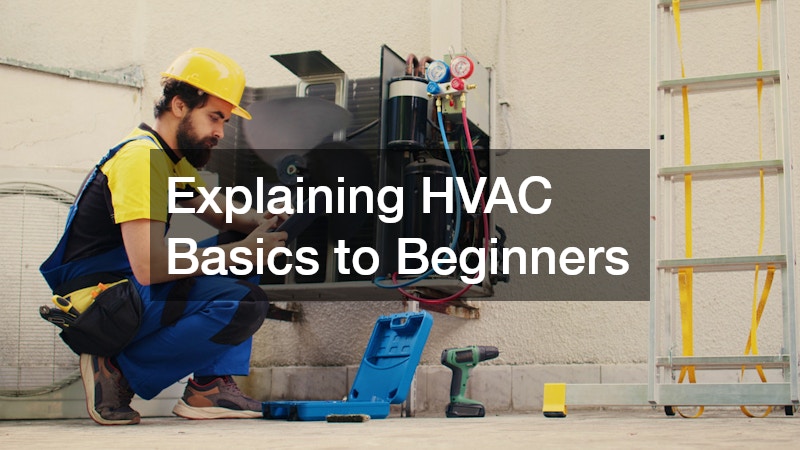
Heating, ventilation, and air conditioning systems play an important role in maintaining a comfortable indoor environment. Commonly referred to as HVAC, these systems help control temperature, airflow, humidity, and indoor air quality in homes and commercial buildings. Although HVAC equipment may appear complicated, understanding the basic components can make it easier to recognize problems, communicate with technicians, and care for your system.
Beginners do not need to understand every wire, motor, or mechanical part. Learning how the primary components work together provides a useful foundation for making informed decisions about maintenance, repairs, and replacement.
What Does HVAC Mean?
HVAC stands for heating, ventilation, and air conditioning. Each part of the system performs a different function, but all three work together to maintain comfortable indoor conditions.
The heating portion raises the indoor temperature during colder weather. The air conditioning portion removes heat from the indoor air during warmer weather. Ventilation moves air throughout the building and helps replace stale indoor air with cleaner air.
Some properties use one central system for heating and cooling, while others rely on separate equipment. The exact setup depends on the building, local climate, fuel availability, and installation design.
How Does a Heating System Work?
Heating systems create or transfer warmth and distribute it through a building. Furnaces are among the most common heating systems. A furnace may use natural gas, propane, oil, or electricity to produce heat. A blower fan then pushes warmed air through the ductwork and into individual rooms.
Boilers work differently. Rather than heating air, a boiler warms water and circulates it through pipes, radiators, or radiant flooring. The warmed surfaces then transfer heat into the surrounding space.
Heat pumps are another option. Instead of generating heat in the same way as a furnace, a heat pump transfers heat from one location to another. During colder weather, it draws available heat from the outdoor air and moves it indoors.
How Does Air Conditioning Work?
Air conditioning systems do not simply create cold air. They remove heat and moisture from the indoor environment. A standard central air conditioner uses refrigerant to absorb indoor heat and release it outside.
The process involves several important components, including the evaporator coil, compressor, condenser coil, and expansion valve. Indoor air passes over the cold evaporator coil, where the refrigerant absorbs heat. The refrigerant then travels to the outdoor unit, where the heat is released.
The system’s blower pushes the cooled air through the ductwork and into the rooms. This cycle continues until the thermostat detects that the selected temperature has been reached.
What Is the Purpose of Ventilation?
Ventilation supports comfort and indoor air quality by moving air through a building. Without proper ventilation, indoor spaces may feel stuffy and accumulate moisture, odors, dust, and other airborne particles.
Mechanical ventilation may involve exhaust fans, supply fans, ductwork, and dedicated air exchange systems. Bathroom exhaust fans remove humid air, while kitchen exhaust systems help carry smoke, heat, and cooking odors outside.
The ductwork connected to a central HVAC system also supports air circulation. Supply ducts deliver conditioned air into rooms, while return ducts bring indoor air back to the system for another heating or cooling cycle.
What Does a Thermostat Do?
The thermostat serves as the control center for an HVAC system. It measures the indoor temperature and signals the heating or cooling equipment when adjustments are needed.
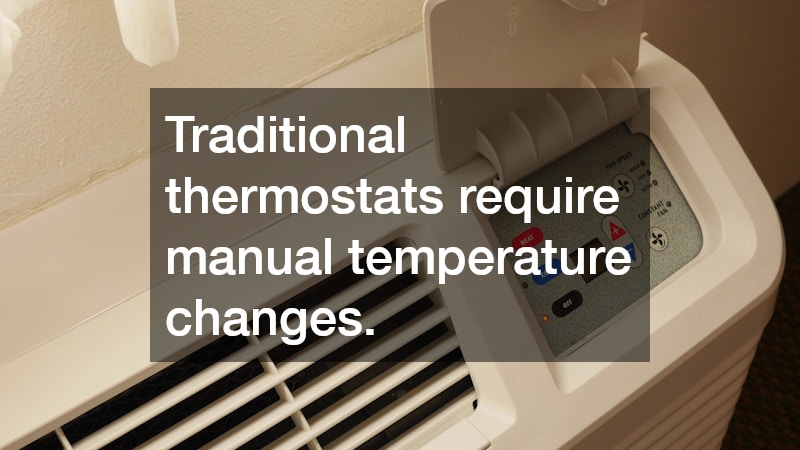
Traditional thermostats require manual temperature changes. Programmable models allow users to create schedules for different times of the day. Smart thermostats may offer remote controls, energy reports, automatic scheduling, and compatibility with mobile devices.
The thermostat should be installed in a location that reflects the average indoor temperature. Placement near direct sunlight, exterior doors, vents, or heat-producing appliances may lead to inaccurate readings and unnecessary system operation.
Why Does Routine HVAC Maintenance Matter?
Routine maintenance helps keep HVAC equipment clean, efficient, and dependable. A professional service visit may include inspecting electrical connections, cleaning coils, testing controls, checking refrigerant levels, examining safety components, and evaluating system performance.
Property owners can also complete simple maintenance tasks between professional visits. Replacing air filters, keeping vents unobstructed, removing debris around outdoor equipment, and watching for unusual changes can support better system operation.
Understanding HVAC basics makes it easier to care for your equipment and communicate with service professionals. By learning how heating, cooling, ventilation, thermostats, filters, and ductwork work together, beginners can make more confident decisions about indoor comfort and system maintenance.