Your home is likely your most significant financial investment, and its exterior serves as the crucial first line of defense against the harsh realities of nature. Over time, relentless exposure to glaring sunlight, driving rain, freezing temperatures, and fierce winds will inevitably take a toll on your property. Recognizing the exterior warning signs that should not be ignored is the absolute key to preventing minor, manageable maintenance tasks from ballooning into catastrophic, budget-breaking structural repairs. Whether you spot organic growth creeping up your exterior walls, feel cold air seeping into your living space, hear jarring operational creaks, or notice that your outdoor structures are beginning to feel dangerously unstable, each symptom points to an underlying issue that demands your full attention. By remaining vigilant and proactively addressing these critical red flags, you can effectively safeguard your family’s comfort, protect your property’s structural integrity, and preserve your home’s long-term curb appeal.
Spot Mold Growth
The presence of organic growth on the outside of your home is a clear indicator that moisture is lingering longer than it should, creating an environment ripe for structural degradation. When left unchecked, this unsightly green, black, or brown fuzz does much more than simply ruin your home’s curb appeal; it acts as a sponge, holding dangerous moisture directly against your home’s protective barrier. This constant dampness can eventually compromise the integrity of underlying materials, leading to premature aging of your exterior finishes and paving the way for far more severe water intrusion issues that can compromise the safety of your interior living spaces.
More specifically, discovering thick patches of mildew or algae on the northern-facing walls of your property requires a targeted and careful removal approach to avoid damaging the material beneath. To safely eradicate these stubborn biological contaminants without causing accidental property damage, you should consider hiring highly rated local pressure washing companies that utilize specialized soft-wash techniques. These trained professionals understand exactly how to apply eco-friendly cleaning solutions that kill the spores at their root, gently lifting the grime away while completely preserving the lifespan of your exterior cladding.
Feel Window Drafts
A sudden change in interior temperature when you walk past the perimeter of your home is a universal sign that your home’s thermal envelope has been severely compromised. When you begin to feel unexplained breezes or notice that your HVAC system is running constantly just to maintain a baseline temperature, it is a glaring indication that your weatherproofing has failed. Ignoring these fluctuating indoor temperatures will not only result in highly uncomfortable living conditions for your family but will also cause your monthly utility bills to skyrocket as your home hemorrhages energy around the clock.
On a granular level, these insidious drafts are usually caused by the degradation of weatherstripping, the failure of old caulking, or the total collapse of the insulated glass unit’s argon gas seal. When the framing has shifted to the point where simple caulking no longer solves the problem, it is time to consult a reputable window company to assess the extent of the deterioration. An expert technician can determine whether the situation requires a targeted sash replacement or a comprehensive, full-frame installation to permanently restore your home’s vital energy efficiency and absolute weather protection.
Hear Loud Creaks
Unusual auditory cues are often the very first warning that a heavy, load-bearing exterior system is suffering from immense mechanical strain and requires immediate attention. When you begin to hear grinding, snapping, or high-pitched squealing echoing through the structure, it is a strong signal that moving parts are grinding against one another without proper lubrication, or that structural supports are bending under an inappropriate amount of weight. Dismissing these jarring mechanical protests as mere nuisances can easily lead to sudden, catastrophic failures that trap vehicles, damage property, or pose a severe physical danger to anyone standing nearby.
Specifically, when these terrifying noises originate from your vehicle storage area, they usually point to failing torsion springs, heavily rusted rollers, or a significantly misaligned metal track. Because these heavy-duty counterweight systems operate under extreme, life-threatening tension, a DIY repair attempt is incredibly dangerous and highly discouraged. Instead, you should quickly reach out to experienced garage door companies to perform a comprehensive safety inspection, safely relieve the dangerous tension, and replace the failing hardware before the entire assembly comes crashing down unexpectedly.
See Door Jamming
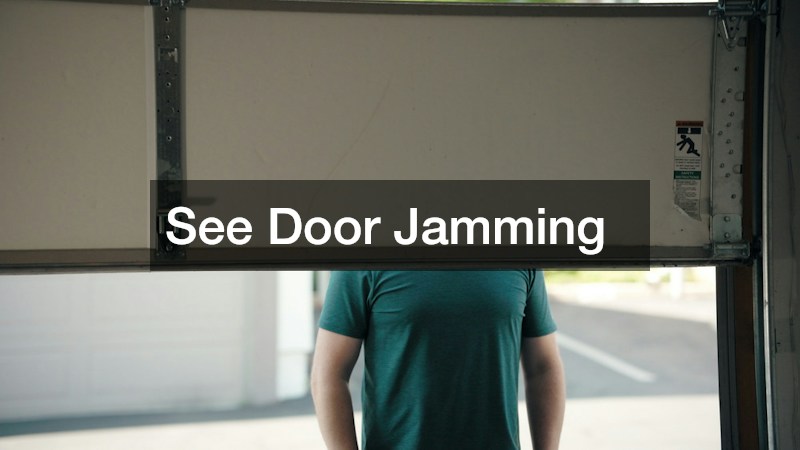
When a primary point of entry stubbornly refuses to open or close with ease, it is a frustrating daily inconvenience that hints at a much deeper underlying structural or mechanical malfunction. When a heavy barrier begins to stick, jam, or awkwardly hang up halfway through its operational cycle, it means the fundamental geometry of the system has been skewed by environmental factors, ground settling, or severe hardware fatigue. Forcing a stubborn entryway to close by applying excessive physical force only exacerbates the underlying damage, gradually destroying the mounting hardware and potentially compromising your home’s primary security barrier.
Looking closely at automated overhead systems, frequent jamming is usually the direct result of a malfunctioning safety sensor, a warped track, or a stripped gear inside the main overhead motor. If you repeatedly find yourself manually wrestling with your heavy garage door just to get your car out in the morning, the mechanical strain on the opener will eventually cause the motor to burn out entirely. Addressing track alignments, sensor calibrations, and warped paneling promptly ensures that your system functions effortlessly and safely every single time you press the remote button.
Find Dead Lights
A well-illuminated exterior is fundamental to the overall safety, aesthetic appeal, and nighttime security of any modern residential property. Generally, when fixtures surrounding your home suddenly stop working, it plunges walkways into dangerous darkness and completely eliminates the visual deterrent that keeps potential intruders at bay. Ignoring dark patches around your property not only increases the distinct likelihood of accidental trips and falls but also severely diminishes the beautiful architectural highlighting that makes your property stand out in the neighborhood after the sun goes down.
More specifically, persistent lighting failures are frequently caused by underground wire degradation, localized moisture intrusion inside the sealed fixture housings, or a failing low-voltage transformer struggling to distribute power evenly. Because diagnosing buried electrical faults requires specialized voltage meters and a deep understanding of weatherproof circuitry, contracting a professional outdoor lighting service is the most effective way to troubleshoot the grid safely. These specialists can locate the exact point of the underground short, upgrade your failing fixtures to completely watertight models, and restore the brilliant, welcoming glow your landscape deserves.
See Peeling Paint
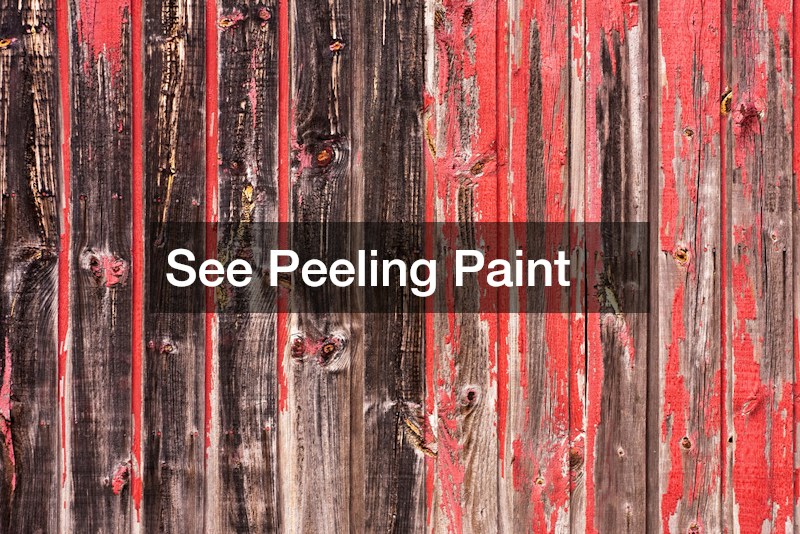
The exterior coating on your home serves a purpose far greater than simple aesthetic appeal; it acts as a critical, waterproof skin that protects the vulnerable building materials lying just beneath the surface. In general, when this protective barrier begins to flake, bubble, or peel away in large strips, it exposes your home’s essential structural components to the devastating effects of raw weather. Leaving these exposed patches untreated is an open invitation for deeper elemental damage, as bare materials will quickly begin to degrade, leading to extensive and incredibly costly remediation projects that extend far beyond a simple touch-up job.
On a deeper level, blistering or peeling usually indicates that moisture has somehow infiltrated the wall cavity and is actively pushing its way outward, desperately trying to escape through the painted surface. This trapped hydrostatic pressure easily lifts the acrylic coating right off the substrate, exposing the wooden or composite panels to the immediate threat of aggressive fungal rot and invasive insect infestations. By enlisting knowledgeable home siding services to meticulously scrape, properly seal, and expertly recoat the facade, you guarantee that your home receives a durable, long-lasting barrier capable of withstanding the harshest local weather conditions.
Catch Deep Cracks
Fissures running along the exterior walls of your house are ominous visual indicators that the building is undergoing severe stress, movement, or significant material failure. When these deep fractures are ignored, they create direct, unhindered pathways for torrential rainwater, freezing ice, and destructive pests to bypass your home’s outer defenses and enter the interior wall cavities. Acknowledging and investigating these structural separations immediately is crucial to preventing localized damage from spreading across the entire facade and permanently weakening the home’s primary protective shell.
Focusing on the specifics, long horizontal or stair-step cracks in your exterior cladding often point to aggressive thermal warping, improper initial installation, or the total failure of the weather-resistant barrier underneath. Because replacing these specialized exterior materials requires precise color matching, careful weatherproofing, and strict adherence to strict manufacturer installation guidelines, bringing in a certified siding contractor is absolutely essential. A seasoned expert will thoroughly assess the damaged planks, fix the underlying structural movement, and seamlessly integrate the new materials so that your home’s protective envelope remains completely impenetrable.
Feel Spongy Wood
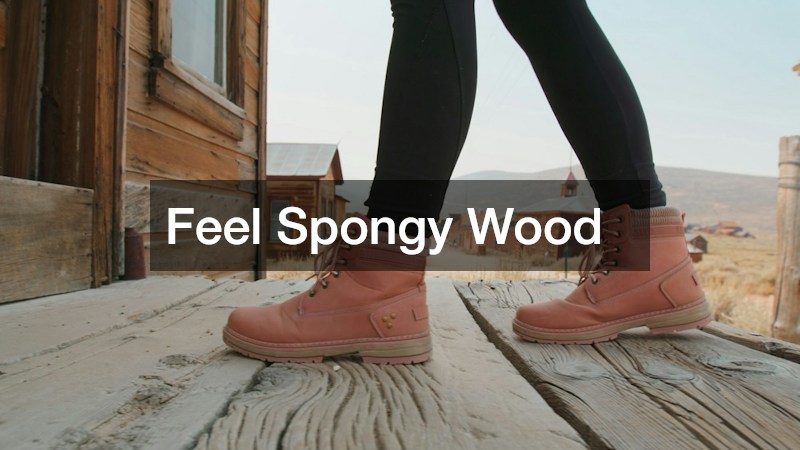
Discovering that the wooden elements attached to your home’s exterior have lost their rigid, structural firmness is a severe warning sign of advanced fungal decay and dangerous moisture retention. When timber begins to feel soft, spongy, or yields easily under applied pressure, it means the internal cellulose structure has been entirely eaten away by rot. Ignoring this quiet, progressive deterioration transforms sturdy architectural features into hidden hazards, drastically increasing the likelihood of a sudden structural collapse that could result in catastrophic property damage or severe personal injury.
Specifically, this insidious rotting process most frequently attacks critical horizontal surfaces where rainwater easily pools, such as structural joists, hidden ledger boards, and thick support posts that make direct contact with the damp earth. Because replacing these foundational, load-bearing elements requires extensive temporary bracing and a deep understanding of modern structural weight distribution, hiring professional deck builders is the safest course of action. These experienced carpenters will safely remove the compromised, spongy timber, install freshly treated supports, and ensure the entire framework heavily exceeds current municipal safety standards.
Spot Broken Slats
Exterior window coverings serve a highly practical dual purpose: they drastically enhance the visual character of the home while providing essential protection against severe weather events and driving winds. In general, when these aesthetic and functional components sustain physical damage, it instantly detracts from the property’s overall curb appeal and leaves your fragile window glass completely vulnerable to flying debris. Allowing damaged window treatments to remain on the facade not only looks incredibly neglectful to passing neighbors but also totally nullifies the protective benefits these fixtures were originally designed to provide during extreme weather conditions.
Looking at the exact mechanics of the failure, you will typically find that the delicate horizontal louvers have violently snapped off their central tilt rods, or the heavy-duty mounting hardware has completely rusted through and pulled away from the masonry. To restore both the timeless architectural beauty and the functional storm protection of your windows, contacting local shutter companies for custom-measured replacements is highly recommended. These specialized installers will provide highly durable, weather-resistant materials that are properly anchored to the facade, ensuring your home looks completely pristine and remains safely shielded from the next major storm system.
Test Wobbly Steps
Navigating an exterior staircase should always feel completely solid, stable, and secure underfoot, regardless of the weather conditions or the weight of the person climbing it. Generally, when you step down and feel the treads shift, bounce, or lean dangerously to one side, it is a glaring red flag that the fundamental fastening system has failed. Ignoring a shaky transition area is an incredibly dangerous gamble, as it creates an immediate, severe liability on your property that could easily result in a devastating slip-and-fall accident for a family member or a visiting guest.
More specifically, this frightening instability is almost always rooted in the unseen decay of the underlying stringers—the heavy, notched diagonal boards that actively support the weight of every single tread. Because designing and cutting proportioned staircases properly is highly complex and strictly governed by uncompromising residential building codes, you should always rely on reputable deck building services to handle the reconstruction. Professional installers will meticulously calculate the exact rise and run, utilize heavy-duty structural brackets, and pour solid concrete landings to guarantee your exterior stairs remain completely unyielding for decades.
Maintaining a home requires constant vigilance, and understanding the exterior warning signs that should not be ignored is vital to protecting your massive financial investment. The outside of your house silently communicates its health through a variety of subtle and obvious symptoms, from the quiet spread of organic mold on the siding to the loud, jarring mechanical creaks echoing from the garage. By refusing to dismiss cold drafts, peeling exterior paint, or the terrifying wobble of a wooden staircase, you position yourself to catch severe structural issues before they multiply into catastrophic failures. Ultimately, taking these critical warning signs seriously and calling upon specialized experts when necessary guarantees that your property remains a safe, highly efficient, and beautifully maintained sanctuary. Remember, the true secret to long-term homeownership is addressing the small exterior cries for help today so you never have to face a devastating structural emergency tomorrow.