
Owning a home is often celebrated as the ultimate milestone of financial stability, a tangible investment that builds equity while providing shelter and security. Yet, anyone who has signed a mortgage quickly learns that the purchase price is merely the cover charge. The true, ongoing cost of homeownership lies in its operational ledger—the monthly utility bills, the seasonal upkeep, the minor adjustments, and the sudden, frantic emergency expenses that seem to arise at the least convenient moments.
Most homeowners approach these operational costs with a reactive mindset. We tend to ignore our major household systems until a pipe bursts, the air stops blowing, or a storm tears through the neighborhood. This “if it isn’t broken, don’t fix it” philosophy is financially draining. Emergency repairs always command a premium price, and inefficient systems silently drain money from your bank account month after month, year after year.
Shifting from a reactive stance to a proactive strategy is the most effective way to permanently lower your annual household overhead. By optimizing how your property uses energy, manages water, and maintains its structural integrity, you can claw back thousands of dollars annually. This isn’t about sacrificing your comfort or living in a cold, dark house; it is about eliminating systemic waste, improving mechanical efficiency, and insulating your finances against predictable wear and tear.
Install Programmable Thermostats and Utilize Supplemental Zoning
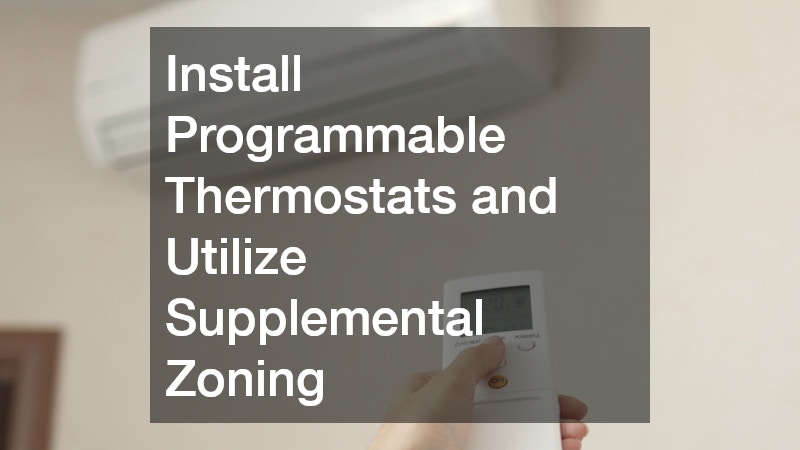
The traditional approach to climate control is inherently wasteful. For decades, standard residential designs relied on a single centralized thermostat to dictate the temperature of an entire house. If you wanted to cool down a stuffy upstairs bedroom at night, you had to blast conditioned air throughout the vacant downstairs living room, kitchen, and hallways. This sledgehammer approach to comfort creates massive thermal inefficiencies and drives monthly electric and gas bills to staggering heights.
Consider a typical summer afternoon. The sun beats down directly on the roof, radiating heat into the upper levels of your home, while the basement remains naturally cool. Forcing a single central system to balance these disparate zones means it will run continuously, short-cycling and burning through electricity. If your central system is more than a decade old, its seasonal energy efficiency ratio is likely abysmal compared to modern standards. When a system reaches this stage of degradation, investing in an ac replacement is often the most financially sound move you can make. Newer cooling systems use variable-speed compressors that scale their energy consumption up or down precisely based on demand, rather than running at 100% capacity or turning off entirely.
However, replacing a central unit is only part of the solution. To truly optimize your operational costs, you must decouple your home’s climate control from a single, centralized command point. This is where localized zone management alters the financial equation. By introducing targeted climate solutions to high-use rooms, you can let the rest of the house drift to a more energy-efficient temperature baseline.
For example, many homeowners find immense success by keeping their central system at a modest, conservative setting and opting for a mini split installation in a home office, master bedroom, or converted garage. These ductless systems allow you to condition the exact air you are breathing without wasting energy on empty square footage or losing thermal efficiency through leaky attic ductwork. By pairing these zoned systems with smart, programmable thermostats that automatically adjust when you leave for work or go to sleep, you can slice your annual cooling costs by double-digit percentages without ever feeling a moment of discomfort.
Transition to Modern, Low-Emission Thermal Technology
While cooling a home is a major summer expense, heating a home during the bitter winter months can be an absolute financial black hole, particularly in regions dependent on heating oil, propane, or aging electric resistance baseboards. The physics of traditional heating are simple but costly: fuel is burned or raw electricity is consumed to generate heat from scratch. When you look at the operational costs of an outdated furnace, you are looking at a system that might only convert 80% of its fuel into actual warmth, while the remaining 20% literally escapes up the chimney flue.
When evaluating your winter operational expenses, it pays to look at how thermal energy is managed. For homeowners dealing with skyrocketing gas or electric bills, a complete overhaul of their thermal strategy often yields the highest return on investment of any home improvement project. Planning for a brand-new heating installation requires looking past the upfront price tag and focusing entirely on the lifetime operational savings.
Traditional heating systems rely on combustion to generate heat from fuel, which usually tops out at an efficiency rating between 80% and 95%. In contrast, modern thermal transfer technology focuses on moving existing ambient heat into the home rather than burning fuel to create it, achieving performance that operates at 300% to 400% efficiency.
The technology behind residential climate control has shifted dramatically toward moving heat rather than creating it. Ambient air, even when it feels freezing to a human, contains an immense amount of thermal energy. Modern electric systems are designed to extract this ambient warmth from the outdoor air and pump it indoors. Because these systems transfer energy rather than generating it through combustion or resistance, they can operate at efficiencies exceeding 300%.
Investing in a modern heat pump installation is arguably the single most impactful step a homeowner can take to slash winter energy usage. These systems work double duty, acting as highly efficient air conditioners in the summer and reversing their cycle to provide incredibly cost-effective warmth in the winter. By shifting the thermal load to a system that harvests environmental heat, you insulate your household budget from the volatile price spikes of fossil fuels and the raw, unmetered consumption of old-school electric baseboards.
Inspect Roof Integrity and Clear Foundation Drainage Pathways
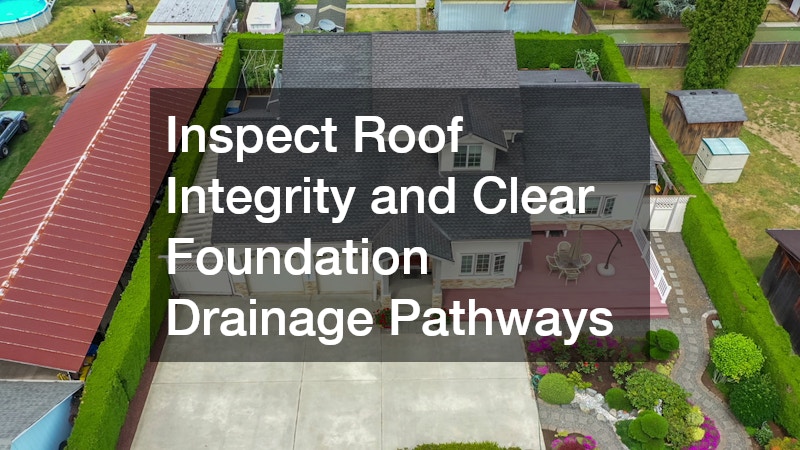
It is easy to focus all your attention on mechanical systems like heaters and air conditioners, but the physical shell of your home—the building envelope—plays an equally vital role in your annual expenditures. If your home’s exterior shell is compromised, your mechanical systems will work twice as hard to maintain a comfortable interior, burning through energy and wearing out years ahead of their expected lifespans. Furthermore, failure to manage how water interacts with your home’s exterior can lead to catastrophic structural damage that costs tens of thousands of dollars to remediate.
To systematically lower your building envelope costs, follow this outside-in maintenance protocol:
- Schedule an annual structural attic and surface scan. Walk your roofline or hire a qualified professional to look for missing shingles, cracked flashing, and degraded boots around plumbing vents. A small, slow leak into an attic space can destroy fiberglass insulation long before water stains appear on your living room ceiling. Wet insulation loses its R-value instantly, allowing heat to pour out of your home in the winter and radiate inward during the summer. Catching these vulnerabilities early requires the trained eye of a residential roofer who can make minor patches for a few hundred dollars, saving you from a premature, five-figure roof replacement.
- Evaluate and optimize your exterior perimeter drainage. Roof runoff must be collected and funneled completely away from your home’s foundation. If water pools against your foundation walls, it will eventually find its way into your crawlspace or basement, causing mold, rotting sill plates, and cracking concrete.
- Upgrade your water collection channels. If your current gutters are sagging, leaking at the seams, or constantly overflowing, they are actively damaging your property. Investing in a professional local gutter installation ensures that water is captured efficiently and directed through downspouts to safe exit points at least six feet away from the structure. Seamless aluminum channels prevent water from dripping behind the fascia boards, protecting the wood from rot and saving your foundation from hydrostatic pressure.
By securing the roof and managing the perimeter drainage, you are protecting the structural integrity of your largest asset while maintaining the dry, insulated conditions your HVAC systems need to run at peak efficiency.
Implement Bi-Annual Pipe Flushes and Stop Hidden Water Leaks
Inside the home, water represents both a daily necessity and a constant financial risk. While a major pipe burst is an obvious disaster, the real drain on your annual budget usually comes from slow, silent, and entirely preventable plumbing issues. Mineral deposits, soap scum, organic debris, and tiny leaks work together to reduce water pressure, increase municipal water bills, and slowly destroy fixtures from the inside out.
Consider the humble bathroom drain. Over months of use, hair, shave creams, and body oils combine to form a thick, restrictive sludge along the pipe walls. Most homeowners ignore this until water is pooling around their ankles during a morning wash. The standard, lazy response is to pour a bottle of harsh, acid-based chemical cleaner down the pipe. While this might temporarily melt through a small path in the blockage, these corrosive chemicals sit in the trap, eating away at your metallic pipes or weakening PVC joints. Over time, this lazy fix leads to hidden leaks behind drywall.
Instead, establishing a routine that includes professional shower drain cleaning or using mechanical augers prevents the pressure spikes that strain plumbing joints. Clearing these pathways mechanically keeps wastewater moving swiftly, preventing the standing water conditions that cause long-term seals to degrade.
Simultaneously, you must hunt down silent water waste. A single toilet with a degraded flapper valve can silently waste up to 200 gallons of water a day, adding hundreds of dollars to your annual utility costs without making a sound. A simple way to test for this is to drop a few drops of food coloring into the toilet tank and wait twenty minutes without flushing; if color seeps into the bowl, your seal is leaking. Proactively replacing these rubber flappers, clearing drain lines properly, and monitoring your main water meter for unexpected activity are low-cost, high-reward habits that keep your plumbing operational overhead to an absolute minimum.
Seal Large Thresholds and Optimize Seasonal Mechanical Cycles
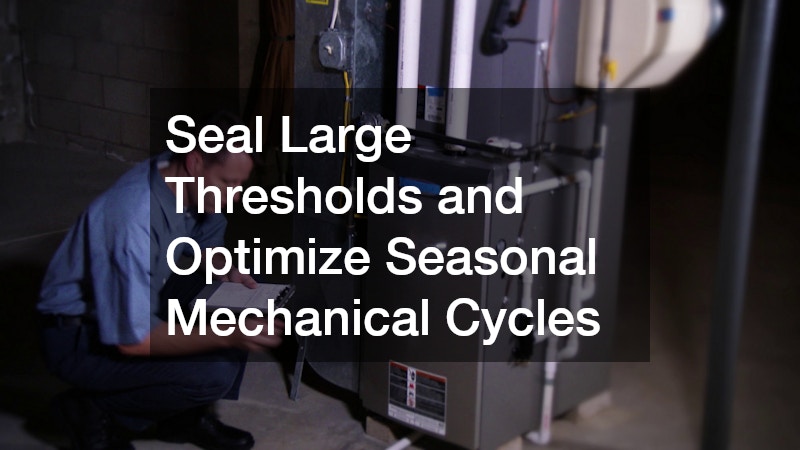
Every home has structural transitions where the interior world meets the exterior elements. The largest of these transitions is almost always the garage. Many homes feature attached garages with living spaces directly above or adjacent to them. Because garage doors are rarely perfectly airtight, these massive spaces act as giant thermal buffers that can either protect or penalize your home’s energy budget.
If you have an uninsulated garage, the temperature inside that space will track closely with the outdoor extremes. In the winter, a freezing garage will freeze the floorboards of the bedroom directly above it, forcing your indoor heating to work overtime. By prioritizing well-insulated overhead garage doors, you create a powerful thermal break. An insulated garage door can keep the space significantly warmer in the winter and cooler in the summer, reducing the thermal transfer through the shared interior walls and floors and noticeably lowering your monthly energy bills.
Moving outside the walls of the house, exterior amenities present their own unique financial challenges. For homeowners fortunate enough to have a backyard oasis, the pool is often the single largest consumer of electricity on the property, outside of the primary HVAC system. Running a traditional, single-speed pool pump around the clock is an absolute financial disaster, often costing over a hundred dollars a month in raw electricity alone.
To optimize these exterior operational costs, you must automate and streamline your maintenance cycles. Switching to a modern variable-speed pool pump allows you to run the filtration system at much lower, highly efficient speeds for most of the day, using up to 80% less energy while still keeping the water perfectly clear. Furthermore, balancing water chemistry perfectly prevents algae blooms that force you to run pumps continuously and buy expensive shock chemicals.
Partnering with a professional pool cleaning service ensures that the mechanical filtration equipment is calibrated correctly, the seals are lubricated, and the water chemistry is maintained at a preventative baseline. This proactive care extends the lifespan of expensive salt cells and heater cores, saving you from sudden, budget-crushing equipment failures.
Maintain Reliable Backup Systems to Avoid Emergency Spikes
The final piece of the operational puzzle involves protecting your home from external vulnerabilities, such as regional power grid failures. When a severe storm rolls through and knocks out electricity for days, the financial costs accumulate rapidly. Food spoils in dark refrigerators, a lack of climate control can cause interior mold growth in the summer or frozen pipes in the winter, and a dead sump pump can allow a basement to flood within hours.
When a power grid failure occurs, a chain reaction of expenses begins. If there is no working sump pump, you face a flooded basement and thousands in mold remediation. If there is no functional HVAC system, frozen pipes or interior mold can quickly ruin drywall. Even the loss of basic refrigeration leads to hundreds of dollars in spoiled food waste.
To insulate your household from these compounding financial disasters, a whole-house standby generator is an invaluable asset. However, a backup generator is an incredibly complex mechanical system that sits idle for months at a time, only to be expected to run at 100% capacity under heavy load the moment the grid goes dark. If the fuel is stale, the battery is dead, or the transfer switch is corroded, your investment is useless when you need it most.
Relying on a certified generator technician to perform annual load testing, oil changes, and electrical diagnostics is a critical operational habit. These specialists ensure that the automated systems engage flawlessly during a blackout, keeping your refrigerator running, your sump pump clearing water, and your climate systems maintaining a safe structural temperature. Spending a small amount on preventative mechanical oversight guarantees that a utility crisis remains a minor inconvenience rather than turning into a multi-thousand-dollar property insurance claim.
Elevating Efficiency Beyond the Standard Routine

Minimizing the annual operational costs of a home is ultimately an exercise in consistent, intentional stewardship. It requires moving past the superficial elements of home decorating and diving deep into the mechanical, structural, and thermal realities of how your property functions. Every system in your home is interconnected; an inefficient roof strains the air conditioner, a clogged drain strains the plumbing joints, and an uninsulated garage door cools down the adjacent living spaces.
By systematically addressing these vulnerabilities—whether through smart climate zoning, upgrading to high-efficiency thermal equipment, securing your building envelope, or automating your exterior maintenance—you stop treating your home as a series of unpredictable financial emergencies. Instead, you transform it into a finely tuned, highly efficient ecosystem. The financial rewards of this shift are cumulative, paying dividends month after month in lower utility statements, reduced repair bills, and the profound peace of mind that comes from knowing your greatest asset is thoroughly protected against the elements.