
Planning home improvements ahead of the busy season gives homeowners a significant advantage. When demand spikes, availability shrinks, timelines stretch, and costs often increase. Starting early allows you to make thoughtful decisions instead of rushed ones, ensuring your projects align with your goals, budget, and schedule. Whether you’re upgrading for comfort, efficiency, or long-term value, preparation plays a critical role in how smoothly the process unfolds.
Early planning also opens the door to better communication with professionals. When schedules are less crowded, you’re more likely to receive detailed consultations, realistic timelines, and tailored recommendations. This approach helps prevent common issues such as material delays, rushed installations, or last-minute compromises that can affect quality.
Another benefit of planning ahead is flexibility. You can prioritize projects, phase them strategically, and avoid disruptions during peak seasons when crews are stretched thin. This foresight allows homeowners to enjoy completed upgrades sooner while minimizing stress.
The sections below break down how advance planning applies to specific types of home improvements and why acting early can make a meaningful difference. Each area highlights practical considerations to help homeowners stay ahead of the rush and make confident, informed decisions.
Planning Interior Comfort and Light Control

Custom blinds and window treatments are often overlooked until homeowners feel the effects of intense sunlight, lack of privacy, or rising indoor temperatures. Planning these upgrades before the busy season allows time to explore styles, materials, and control options without pressure. Early planning also makes it easier to coordinate measurements and installation around other interior projects.
When demand is high, lead times for fabrication and installation can increase significantly. Starting early reduces the risk of delays and ensures selections arrive when expected. This is especially important for homes with unique window sizes or design preferences that require tailored solutions. Advance scheduling also allows homeowners to compare options carefully instead of settling for limited availability.
Planning ahead provides the opportunity to align aesthetic choices with functional goals. Decisions about light filtering, insulation value, and room usage can be made thoughtfully. Homeowners can also coordinate colors and finishes with other interior updates, creating a cohesive look throughout the home.
Another advantage of early planning is access to professional guidance. When schedules are lighter, consultations tend to be more thorough, allowing time to discuss long-term maintenance and durability. By addressing these details ahead of peak season, homeowners gain better results and avoid rushed decisions that may not fully meet their needs.
Coordinating Surface and Access Improvements
Asphalt services are often impacted by seasonal demand and weather conditions, making early planning especially valuable. Homeowners who plan ahead can schedule work during optimal conditions rather than competing for limited availability. This improves efficiency and reduces delays.
Advance preparation allows time to assess surface conditions and determine the scope of work needed. When demand is lower, evaluations are more thorough, helping homeowners address issues before they worsen. This proactive approach can prevent more extensive repairs later.
Early planning also supports better budgeting. Homeowners can review options, plan timelines, and align improvements with other exterior projects. This coordination minimizes disruption and keeps the property functional throughout the process. By scheduling before peak season, homeowners reduce stress and avoid rushed decisions. Planning ahead ensures projects are completed with care and attention, resulting in more durable and visually appealing surfaces.
Preparing for Structural Protection and Longevity
Roofing contractors are often booked far in advance once the busy season begins, which makes early planning especially important. Homeowners who start the process ahead of time have more flexibility to schedule inspections and discuss material options without feeling rushed. This additional time allows for better evaluation of existing conditions and clearer expectations about timelines.
Planning early also helps avoid emergency situations. Small issues can be identified and addressed before they turn into major problems that require immediate attention during peak demand. When schedules are tight, even urgent work can be delayed, increasing the risk of further damage.
Budget planning benefits from early preparation as well. Homeowners can compare materials, review warranties, and align their project with long-term maintenance goals. By starting conversations early, it becomes easier to plan around weather conditions and availability without compromising quality.
Another advantage of early planning is coordination. Roofing work often connects with other exterior improvements, and having a clear schedule helps prevent overlap or disruption. Taking a proactive approach ensures the project is completed under better conditions, with more attention to detail and fewer unexpected obstacles.
Preparing for Long-Term Energy Upgrades
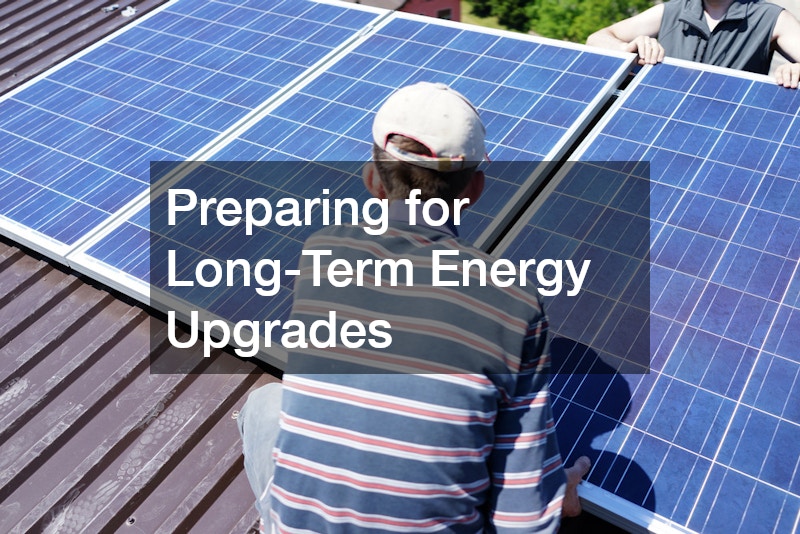
Solar panel installation requires thoughtful preparation, especially when aiming to complete the project before peak demand. Early planning gives homeowners time to evaluate energy usage, roof orientation, and long-term goals without pressure. This approach also helps avoid scheduling conflicts that often occur during high-demand months.
Starting early allows for a smoother approval process. Permits, inspections, and utility coordination can take time, and these steps often slow down during busy periods. By planning in advance, homeowners reduce the likelihood of delays and can move forward confidently once conditions are right.
Budgeting is another benefit of early preparation. Homeowners can explore financing options, compare system sizes, and plan around seasonal incentives without rushing decisions. This makes it easier to choose a solution that aligns with both financial and performance expectations.
Early planning also provides flexibility in timing. Homeowners can schedule installation at a convenient point rather than waiting for an opening during peak season. This reduces stress and helps ensure the project fits smoothly into other home improvement plans. Thoughtful preparation ultimately leads to better outcomes and a more predictable experience.
Timing Exterior Efficiency Improvements
Window replacement companies often experience a surge in requests during warmer months, making early planning essential. Homeowners who plan ahead gain access to more flexible scheduling and a wider range of material options. This ensures replacements are completed efficiently without compromising quality.
Starting early allows time for assessments and measurements, which are critical for proper fit and performance. When demand is lower, evaluations tend to be more detailed, helping homeowners understand energy efficiency ratings and durability factors. This clarity supports informed decisions that deliver long-term value.
Early planning also reduces exposure to delays caused by manufacturing backlogs. Custom sizes or specialty features can take time to produce, and peak season demand may extend timelines. Planning ahead ensures materials arrive as expected and installation stays on track.
Another benefit is coordination with other exterior updates. Completing replacements before the busy season allows homeowners to align projects logically and avoid overlapping disruptions. This organized approach minimizes inconvenience and ensures improvements are completed under less stressful conditions.
Managing Entry and Storage Upgrades
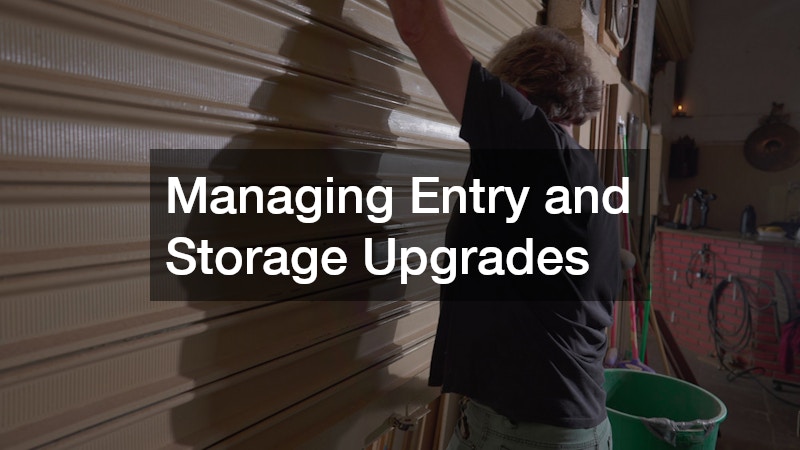
Garage door installation is another project that benefits from advance planning. High demand during peak seasons can limit availability and extend timelines. Planning early ensures homeowners have time to evaluate design options, insulation features, and operational systems without feeling rushed. Early scheduling allows for proper site evaluation, ensuring compatibility with existing structures and electrical components. When schedules are lighter, professionals can address details more thoroughly, reducing the risk of issues during installation.
Planning ahead also helps homeowners align the project with other exterior improvements. This coordination prevents conflicts and allows work to be completed efficiently. Completing installations before the busy season reduces inconvenience and ensures readiness when schedules become crowded.
Additionally, early planning provides better access to maintenance guidance and warranty information. Homeowners can understand long-term care requirements and make choices that support durability and performance. This proactive approach leads to smoother execution and more reliable results.
Planning for Power Reliability and Peace of Mind
Whole home generators are a significant investment that requires careful planning. Starting early allows homeowners to evaluate power needs, placement options, and integration with existing systems without pressure. When demand increases, availability can become limited, making early decisions especially valuable.
Advance planning supports smoother permitting and preparation. Electrical assessments and site evaluations take time, and these steps are often delayed during busy periods. Planning ahead ensures each phase progresses without unnecessary waiting.
Budget considerations also benefit from early action. Homeowners can explore capacity options, understand maintenance requirements, and plan installation timing that fits their schedule. This approach reduces last-minute decisions that may not align with long-term needs.
Early planning also allows homeowners to coordinate installation with other improvements. Completing work before peak season minimizes disruption and ensures readiness when reliability matters most. By thinking ahead, homeowners gain confidence that systems will perform as expected when needed.
Improving Water Quality Through Early Preparation
Water filter installation is often prompted by immediate concerns, but planning ahead provides better outcomes. Early preparation allows homeowners to evaluate water quality, understand filtration needs, and choose appropriate solutions without urgency. Starting early helps avoid delays caused by increased demand. When schedules fill up, even simple installations can be postponed. Planning ahead ensures timely completion and reduces disruption to daily routines.
Advance planning also supports better integration with existing plumbing systems. Evaluations can be conducted thoroughly, allowing for adjustments that improve performance and longevity. This careful approach minimizes the risk of complications during installation.
Budgeting becomes easier when homeowners plan ahead. Costs can be anticipated, options reviewed, and maintenance requirements understood. By addressing these factors early, homeowners can enjoy improved water quality without the stress of rushed decisions or limited availability.
Coordinating Custom Storage and Design Features
Planning Surface Upgrades With Confidence

A countertop company often experiences increased demand during renovation season, making early planning essential for homeowners who want flexibility and choice. Those who begin the process ahead of time can explore a wider range of material options, review realistic timelines, and schedule installations without feeling pressured to make fast decisions. Early planning also allows time to weigh visual appeal against durability, ensuring the final selection fits both lifestyle needs and long-term goals.
Advance planning supports accurate measurements and better coordination with other interior projects already underway. When schedules are less crowded, evaluations tend to be more detailed, allowing professionals to identify potential challenges before installation begins. This careful approach reduces the risk of errors, delays, or rework that can occur when timelines are compressed during peak season.
Budget planning also improves with early preparation. Homeowners have time to compare materials, understand ongoing care requirements, and evaluate cost differences without rushing. Planning installation timing in advance helps align the project with personal schedules and broader renovation plans, minimizing last-minute compromises that can impact quality or design consistency.
Planning home improvements before the busy season starts gives homeowners greater control, flexibility, and confidence. Early preparation allows for thoughtful decision-making, smoother scheduling, and better coordination across projects. Instead of reacting to limited availability or rising demand, homeowners who plan ahead can focus on quality, efficiency, and long-term value.
Taking a proactive approach reduces stress and helps ensure each improvement is completed under optimal conditions. By starting early, homeowners can enjoy completed upgrades sooner and avoid unnecessary delays. Thoughtful planning transforms home improvement from a rushed process into a strategic investment that pays off well beyond the peak season.