Modernizing your home doesn’t have to mean tearing down walls, living in a construction zone, or draining your savings. In fact, many of the most meaningful upgrades today are subtle, strategic, and focused on how your home feels and functions rather than how dramatically it changes.
Think about the last time you walked into a space that felt fresh, comfortable, and easy to live in. Chances are, it wasn’t because everything was brand new—it was because the systems worked well, the layout made sense, and the details supported everyday life. That’s the goal here: small, intentional upgrades that collectively transform your home.
What follows is a practical, in-depth guide to doing exactly that—modernizing your home step by step, without major renovations.
Upgrade Your Home’s Climate Control for Year-Round Comfort
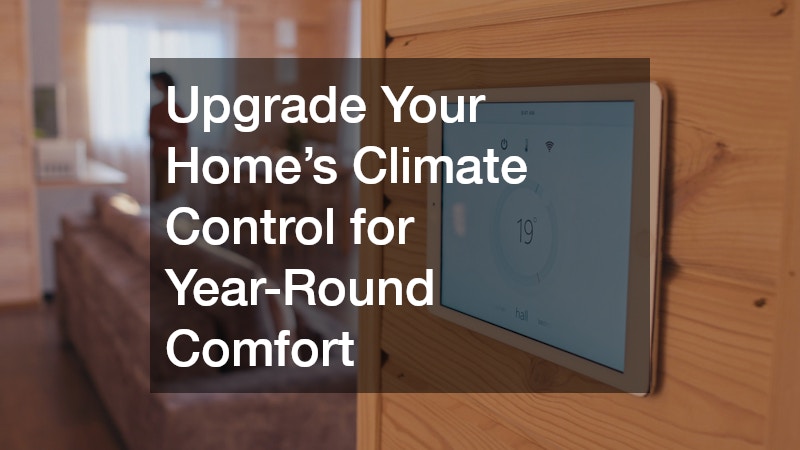
If your home never quite feels the right temperature—or your energy bills seem higher than they should be—your climate system may be quietly holding everything back.
Modern comfort starts with consistency. Rooms should feel balanced, airflow should be steady, and temperature changes shouldn’t require constant adjustments. If that’s not your experience, it may be time to evaluate your current setup.
A full HVAC installation isn’t always necessary, but in some cases, it’s the most effective way to bring your home up to modern standards. Newer systems are designed to be quieter, more efficient, and far more responsive to your needs.
Before jumping into a full replacement, though, there are smaller upgrades worth exploring:
- Install a smart thermostat to automatically adjust temperatures throughout the day
- Seal ductwork to prevent energy loss
- Add zoning controls so different areas of your home can be customized
- Replace outdated vents or registers for better airflow
One homeowner realized their upstairs was always five degrees warmer than the rest of the house. Instead of renovating, they added zoning and improved insulation around ducts. The result? A more comfortable home without opening a single wall.
Modernizing your climate control is less about the equipment itself and more about how intelligently it works for you.
Improve Water Quality for Healthier Daily Living
Water is one of those things you don’t think about—until something feels off. Maybe it’s the taste, the smell, or even how your skin feels after a shower.
Upgrading your home’s water system can quietly improve your daily life in ways you notice almost immediately.
A whole home water filtration system goes beyond simple pitcher filters or faucet attachments. It treats water at the point it enters your home, meaning every tap, shower, and appliance benefits from cleaner, more consistent water.
This kind of upgrade can:
- Reduce mineral buildup in pipes and appliances
- Improve taste and odor
- Support healthier skin and hair
- Extend the lifespan of water-using systems like dishwashers and washing machines
If a full system feels like too big a step, you can start smaller. Under-sink filters or showerhead filters can still make a noticeable difference.
The key is recognizing that modern living isn’t just about what you see—it’s also about what flows behind the scenes.
Refresh Natural Light and Privacy With Smart Window Solutions
Lighting has a powerful effect on how your home feels. Too harsh, and it becomes uncomfortable. Too dim, and spaces feel smaller than they are.
Modern homes strike a balance between natural light and privacy, and one of the easiest ways to achieve that is by rethinking your window treatments.
Motorized shades are a simple upgrade that can completely change your daily routine. Instead of manually adjusting blinds throughout the day, you can automate them based on time, sunlight, or even room usage.
Imagine waking up to natural light gradually filling your bedroom, or having your living room automatically adjust to reduce glare in the afternoon. It’s a small change, but it adds a level of convenience that quickly becomes essential.
When choosing new window solutions, consider:
- Light-filtering vs. blackout materials
- Integration with smart home systems
- Color and texture to complement your interior design
This isn’t just about aesthetics—it’s about creating an environment that adapts to you.
Elevate Outdoor Areas Into Functional Living Spaces
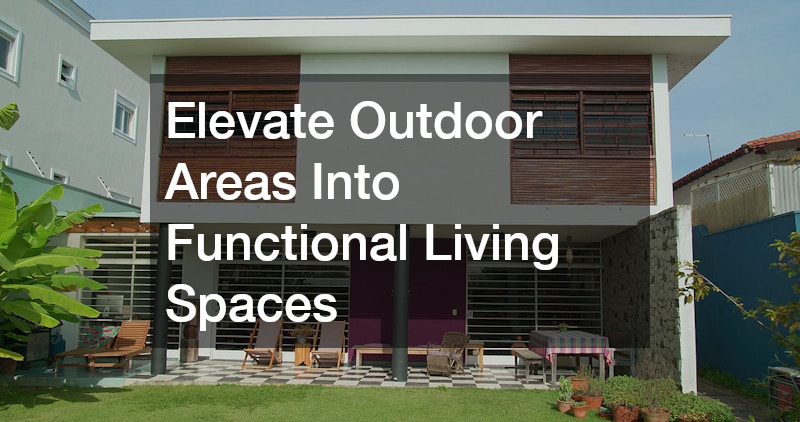
Many homes have outdoor areas that are technically usable but rarely used. A patch of grass, a basic patio, or an empty backyard can feel like missed potential.
Modernizing your home means extending your living space beyond your walls.
Creating a true outdoor living space doesn’t require a full redesign. Often, it’s about layering a few intentional elements:
Start with the function. Ask yourself how you want to use the space. Is it for relaxing evenings? Entertaining guests? Family meals?
Then build around that purpose:
- Add comfortable seating that invites people to stay
- Introduce lighting that makes the space usable after sunset
- Use shade structures or umbrellas to improve daytime comfort
One family turned a rarely used backyard into their favorite “room” simply by adding a sectional, string lights, and a fire pit. No major construction—just thoughtful upgrades.
To take things a step further, consider how your indoor and outdoor areas connect. Even something as simple as matching color palettes, materials, or furniture styles can create a seamless transition between spaces. Sliding doors, outdoor rugs, and coordinated lighting can blur the lines between inside and out, making your home feel larger and more cohesive.
When done right, outdoor spaces don’t feel separate from your home. They feel like a natural extension of it.
Boost Curb Appeal With Strategic Surface Improvements
First impressions matter, even when it comes to your own home. The exterior sets the tone before anyone even walks inside.
Cracked driveways, uneven walkways, or worn surfaces can make a home feel older than it is. Addressing these areas is one of the most straightforward ways to modernize your property.
Asphalt paving is a popular option for driveways and pathways because it offers a clean, uniform look while remaining cost-effective. It’s also quicker to install than many alternatives, minimizing disruption.
Beyond major updates, smaller improvements can also make a difference:
- Resealing existing surfaces for a fresh finish
- Adding subtle edging to define walkways
- Installing pathway lighting for both safety and aesthetics
You might not notice these details every day, but visitors will—and over time, they subtly reshape how you perceive your own home. A smoother driveway or a well-lit walkway can make everyday routines, like arriving home at night, feel easier and more enjoyable.
These changes may seem minor, but together they create a polished, well-maintained appearance that elevates your entire home.
Keep Your Home Protected With Preventive Maintenance
A modern home isn’t just about comfort—it’s also about peace of mind. And that often comes down to what you prevent, not just what you upgrade.
Pests are one of the most common (and overlooked) issues that can disrupt a home. Even a small problem can quickly escalate if left unaddressed.
Instead of reacting to infestations, a preventative pest control approach focuses on stopping issues before they start.
This includes:
- Sealing gaps around doors, windows, and foundations
- Keeping outdoor areas clean and free of debris
- Managing moisture levels in basements and crawl spaces
Some homeowners also schedule routine inspections to catch early signs of activity. Others take a more hands-on approach, regularly checking attics, garages, and storage areas for anything unusual.
The goal isn’t just to eliminate pests—it’s to create an environment where they’re less likely to appear in the first place. That’s a hallmark of a truly modern home: systems that work quietly in the background to keep everything running smoothly.
Enhance Landscaping With Low-Maintenance Ground Cover

Landscaping plays a bigger role in modernization than many people realize. A well-maintained yard can make your home feel more cohesive and inviting, even before you step inside.
One of the simplest ways to upgrade your outdoor appearance is by improving your ground cover.
Using fresh mulch can instantly clean up garden beds, define spaces, and reduce the time you spend on maintenance. It helps retain moisture, suppresses weeds, and creates a more finished look.
For many homeowners, arranging mulch delivery is the easiest way to tackle this upgrade without added hassle. Instead of making multiple trips to a store, materials arrive ready to be spread exactly where you need them.
You can also use this opportunity to rethink your landscaping layout. Consider grouping plants by height, adding borders for visual structure, or incorporating stones and pavers to break up large areas. These small design tweaks can make your yard feel more intentional and modern.
When applying mulch, consider:
- Choosing a color that complements your home’s exterior
- Keeping layers consistent for a uniform appearance
- Refreshing annually to maintain its benefits
This is one of those upgrades that delivers immediate visual impact with relatively little effort.
Protect and Update Your Roof Without Full Replacement
Your roof is easy to forget—until there’s a problem. But waiting until something goes wrong often leads to more expensive fixes.
Modernizing your home includes taking a proactive approach to essential structures like your roof.
Local roofing contractors can help assess the condition of your roof and recommend targeted improvements. In many cases, you don’t need a full replacement. Repairs, coatings, or minor upgrades can extend the life of your existing roof significantly.
Some practical steps include:
- Replacing damaged or missing shingles
- Applying reflective coatings to improve energy efficiency
- Ensuring proper ventilation to prevent moisture buildup
It’s also worth considering how your roof contributes to overall energy performance. Small upgrades, like improving insulation or sealing gaps, can reduce heat transfer and make your home more comfortable year-round.
A quick inspection can reveal small issues before they turn into major ones. And addressing them early keeps your home protected without the need for large-scale work.
Deep Clean and Restore Key Interior Elements
Sometimes, a home doesn’t need new features—it just needs a reset.
Over time, everyday use can leave surfaces looking worn or tired. Carpets flatten, fabrics collect dust, and colors lose their vibrancy. These subtle changes can make a space feel outdated, even if everything else is in good condition.
A professional rug cleaning service can breathe new life into your interiors. It’s one of those upgrades that delivers immediate results—you walk into the room, and it simply feels better.
Beyond rugs, consider refreshing:
- Upholstery and curtains
- High-traffic carpets
- Decorative textiles
You may be surprised at how much brighter and more inviting your home feels after a deep clean. It can even change how you use your space—rooms that once felt dull or neglected suddenly become places you want to spend time in again.
This isn’t about replacing everything. It’s about restoring what you already have so it looks and feels like it belongs in a modern home.
Simplify Heavy Moves and Layout Changes for Better Flow

One of the most underrated ways to modernize your home is by changing how you use the space you already have.
Furniture placement, room flow, and accessibility all play a role in how comfortable your home feels. And sometimes, a simple rearrangement can make a dramatic difference.
If you have large or delicate items, like a piano, working with a professional piano mover can make the process safer and far less stressful. This allows you to rethink your layout without worrying about damage or injury.
When adjusting your layout, focus on:
- Creating clear pathways between spaces
- Reducing clutter to open up rooms
- Positioning furniture to encourage conversation and usability
It can also help to step back and observe how you actually move through your home each day. Are there bottlenecks? Areas that feel underused? Small adjustments—like angling a sofa differently or relocating a table—can dramatically improve flow.
A living room that once felt cramped can suddenly feel open and inviting—without buying anything new.
Modernization isn’t always about adding more. Often, it’s about making better use of what’s already there.
Bringing It All Together
Modernizing your home without major renovations is less about one big change and more about a series of thoughtful decisions.
Each upgrade—whether it’s improving airflow, refreshing your landscaping, or rethinking your layout—adds another layer of comfort, efficiency, and usability. Over time, these changes compound, transforming your home into a space that truly supports your lifestyle.
You don’t need to tackle everything at once. In fact, it’s often better to move gradually. Start with the areas that affect your daily routine the most, then build from there. As each improvement takes shape, it becomes easier to identify the next opportunity.
It’s also worth remembering that modernization is personal. What feels like a meaningful upgrade for one homeowner might not matter as much to another. The goal isn’t to follow trends—it’s to create a space that feels right for you.
A modern home isn’t defined by how new it is. It’s defined by how well it works for the people who live in it.