Understanding how to choose a mold remediation contractor is crucial for ensuring your home is free from mold hazards. This article will guide you through essential questions and considerations to help make an informed decision.
What Should You Look for in a Mold Remediation Contractor?
Certifications and Qualifications
Before entrusting your home to any mold remediation contractor, it is essential to verify their certifications and qualifications. Contractors equipped with certifications from reputable organizations typically adhere to the highest standards of the industry.
Such credentials ensure that the personnel are trained, knowledgeable, and capable of handling the complexities of mold removal. Additionally, qualified contractors are more likely to be updated on the latest mold remediation techniques and technologies. Investing time in checking a contractor’s qualifications can lead to safer and more effective mold remediation outcomes.
Certification from bodies such as the IICRC (Institute of Inspection Cleaning and Restoration Certification) is often a marker of reliable expertise. These organisms provide guidelines and standards that contractors follow, ensuring they deliver consistent and quality service. A certified contractor will not only implement effective remediation methods but also educate clients on preventive practices. Furthermore, such qualifications demonstrate a commitment to professionalism in the continuously evolving field of mold detection and removal. By prioritizing these qualifications, homeowners can significantly reduce the chances of future mold complications.
Likewise, mold remediation certifications typically require contractors to undergo frequent recertification, which means they are exposed to continuous learning. This is fundamental because the field does not only require immediate action but also preventive strategies to avoid future outbreaks. With a well-certified contractor, you can rest assured that the service rendered adheres to the very latest in industry standards. In the long run, hiring properly certified professionals can translate to health benefits and economic savings by preventing mold recurrence. Knowing the difference between legitimate and fake certifications can safeguard your home’s integrity and your peace of mind.
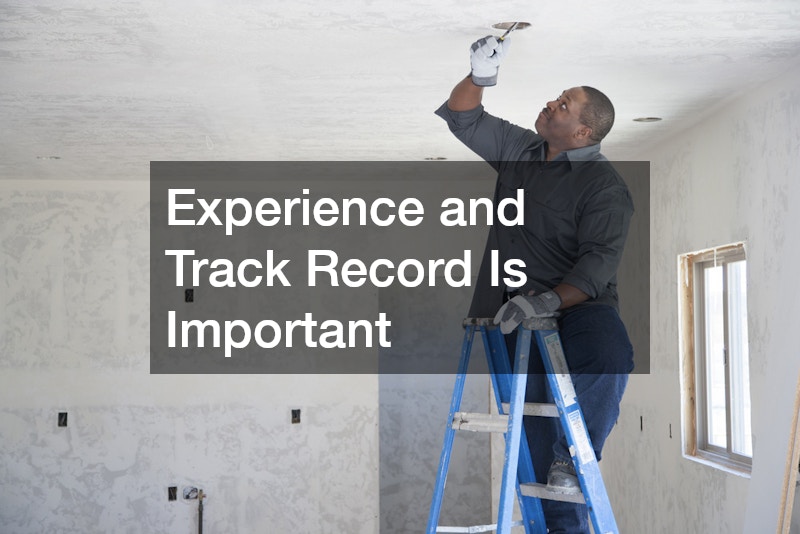
Experience and Track Record
When selecting a mold remediation contractor, the significance of experience cannot be overstated. An experienced contractor is more adept at identifying the root cause of the mold invasion and can propose efficient solutions to address it. They have likely encountered a diverse set of scenarios, allowing them to anticipate and mitigate potential issues before they escalate. Moreover, a solid track record of successful projects is a testament to their reliability and skill. Investigating a contractor’s history can reveal their capability to meet deadlines and manage projects effectively.
A seasoned contractor is often more familiar with the typical challenges that arise during mold remediation processes. This familiarity helps them implement strategic solutions swiftly, minimizing the time mold is left untreated. Moreover, experienced specialists often have established relationships with material suppliers, potentially leading to reduced costs that are beneficial to you, the client. From mild infestations to severe cases, an experienced contractor knows the best approach that ensures the safety and longevity of your living environment. Choosing a contractor with an impeccable track record is an investment in expertise and dependability.
In assessing a contractor’s track record, consider seeking out client testimonials and feedback. Positive reviews can be a solid indicator of a contractor’s competence and customer service. However, it is advisable to cross-reference a few sources to ensure the reviews’ authenticity. Speak to past clients if possible; firsthand accounts can provide valuable insights into what to expect. Essentially, a contractor’s experience and impressive track record should give you the confidence and peace of mind that they can remediate mold effectively and efficiently.
Insurance and Liability Coverage
Insurance and liability coverage are critical components to consider when choosing a mold remediation contractor. A contractor with comprehensive insurance is equipped to handle any unforeseen damages that might occur during remediation. Insurance acts as a safety net, ensuring that both the homeowner and contractor are protected financially in the event of an accident. Without proper coverage, any mishap could lead to costly legal battles and potential financial ruin. Therefore, checking a contractor’s insurance credentials is a crucial step in selecting the right professional for the job.
Typically, reputable contractors will not shy away from providing proof of their insurance policies. General liability insurance is a must as it covers property damage and bodily injuries that may occur during the project’s execution. Additionally, workers’ compensation insurance should be in place to protect you from any liability if any of the workers sustain injuries while working on your property. When a contractor is adequately insured, it reflects their professionalism and commitment to conducting work responsibly. By hiring an insured contractor, homeowners significantly lower their risk exposure.
In the unfortunate event of property damage or injury, an insured contractor’s policy will cover the costs, safeguarding your financial interests. Such coverage ensures the contractor can manage unexpected expenses, allowing them to focus on completing the work without compromising quality. Furthermore, insurance establishes a legal framework that delineates responsibility, making dispute resolution straightforward if issues arise. Ultimately, confirming a contractor’s insurance and liability coverage should be an integral part of your decision-making process. This diligence ensures that you are working with a reliable and professionally accountable mold remediation partner.
References and Reviews
The ability to verify past performance is an invaluable asset when selecting a mold remediation contractor. Customer references and online reviews offer insights into the contractor’s work quality, punctuality, and customer service. Satisfied clients seldom hesitate to share their positive experiences, providing a reliable gauge of a contractor’s dependability. On the flip side, alarmingly negative reviews can be an early warning signal of potential issues. By paying attention to feedback, you can gain an understanding of what working with a particular contractor may entail.
When assessing online reviews, focus on the recurring themes and common praises or complaints from a range of clients. This can help distinguish between isolated incidents and systemic issues with a contractor’s service quality. Furthermore, it adds a layer of transparency to your selection process, giving you an objective measurement of overall customer satisfaction. Personal recommendations from friends and family can also be powerful testimonies due to the personal trust factor involved. Ultimately, thorough research into references and reviews will empower you to make an informed choice that aligns with your expectations.
In addition to online searches, consider directly requesting references from contractors during your initial consultations. A reputable contractor will confidently provide this information, knowing their previous clients’ experiences reflect their dedication to quality service. Previous clients will often shed light on the contractor’s problem-solving abilities and how effectively they communicated during the project. Armed with these references, you can compare multiple contractors to determine who is genuinely the best fit for handling your mold issue. Essentially, ensuring contractors have a history of satisfied clients acts as an assurance of potential satisfaction with your choice.
Assessment and Proposal Process
Before remediation begins, a comprehensive assessment and detailed proposal are staple practices for reputable mold contractors. The assessment is pivotal in identifying the type and extent of mold infestation, which subsequently guides the remediation strategy. A trustworthy contractor will take time to conduct an exhaustive evaluation, examining both visible and hidden mold sources with precision. This step guarantees that no area is left unmonitored, reducing the risk of recurrence. During this stage, contractors often utilize advanced technologies and methodically planned testing to establish a thorough understanding of the problem.
Following the assessment, contractors will present a comprehensive proposal outlining suggested remediation techniques and materials. The proposal should break down costs and procedures in detail, ensuring transparency and clarity for clients. It serves as a roadmap for the entire remediation process from start to finish, detailing timelines and expected outcomes. Reputable contractors will take the time to explain their proposal, addressing any questions or concerns you may have about the outlined process. This transparency builds trust and facilitates effective collaboration between the contractor and homeowner.
The proposal phase also provides an opportunity to scrutinize the contractor’s approach to problem-solving and innovation. Comparing proposals from different contractors helps in identifying the most thorough and cost-effective solution tailored to your needs. An in-depth proposal should offer contingencies for unexpected findings during remediation. By choosing a contractor who displays professionalism throughout the assessment and proposal phases, homeowners can feel confident in receiving efficient, high-quality service. This initial groundwork sets the tone for successful mold remediation, safeguarding your home and family.
How Do You Compare Cost and Contracts?
Understanding Estimates and Pricing
Cost considerations are a pivotal aspect of choosing a mold remediation contractor, necessitating a solid understanding of provided estimates and pricing structures. Contractors should offer transparent estimates that outline all potential expenses related to the project’s scope. Different remediation methods and materials can dramatically affect cost, so it’s imperative to have a clear comprehension of each element’s financial implications. In addition to labor and equipment, estimates might also cover ancillary costs like safety measures and any necessary follow-up services to ensure complete mold eradication. By obtaining multiple estimates, you can compare pricing to identify a financially feasible yet comprehensive service that meets your needs.
Analyzing estimates goes beyond simply comparing the bottom line; it’s vital to evaluate what each offering includes. Some contractors might offer a low quote but later introduce unexpected charges, which could be omitted from the initial discussions. Others may deliver higher estimates yet provide more extensive or advanced remediation solutions that justify the cost. Being open about your budget with potential contractors can yield possibilities for adjustments that don’t sacrifice outcome quality. Analytical comparison of estimates is a strategic step in ensuring you receive value for your investment while also maintaining financial responsibility.
Furthermore, factors such as the scale of the infestation and extent of necessary repairs can directly influence pricing and should be considered in cost comparisons. Understanding this dynamic helps homeowners prepare for potentially variable expenses due to the project’s particular complexity. Similarly, familiarize yourself with industry-standard pricing for mold remediation to identify fair market rates, which guards against overcharges or substandard offers. Transparent pricing not only ensures fiscal prudence but also establishes a foundation of trust and honesty integral to a professional relationship. An informed approach thus allows for an equitable evaluation of estimates that align with your financial constraints and mold remediation requirements.
Scope of Work Detailing
A well-defined scope of work is a cornerstone of effective mold remediation contracts, ensuring all parties understand the project’s extent. Contracts should precisely outline the work phases, from mold containment and removal to aftercare maintenance, detailing responsibilities and timeliness. This transparency in scope prevents misunderstandings about the work expected, establishing clear mutual expectations at the outset. Explicitly defined deliverables empower homeowners to hold contractors accountable, assessing whether the project meets set milestones and quality standards. Therefore, ensuring that the scope of work is exhaustive in outlining all work elements safeguards against overlooking minor yet significant tasks.
Clear work scopes should not only highlight what work is to be done but also exclude specifics irrelevant to the particular case, which helps in avoiding unnecessary confusion. This specificity turns the contract into an actionable guide rather than a vague agreement. It maps the systematically sequenced actions and expected resolutions required for a successful blemish-free remediation process. A detailed contract negates assumptions, encouraging open communication channels between stakeholders and averting potential disputes. Moreover, scope detailing includes explicit instructions on remodeling or reconstruction post-remediation if warranted, adding a layer of forward-thinking to the restoration plan.
As part of thorough scope documentation, any constraints that may influence project execution, such as property access or potential ecological impacts, should be descriptively included. Such clarity in documentation ensures every logistical issue is preemptively addressed, fostering seamless project execution. Importantly, by possessing all situational details, both parties can promptly navigate challenges without deviating from project guidelines, optimizing the use of time and resources. Paying attention to scope detail not only facilitates structured progression but also underpins comprehensive final assessments to guarantee compliance with quality expectations. Through meticulous documentation, clients ensure remedies align accurately with homeowner priorities.
Payment Terms and Conditions
Establishing payment terms and conditions delineated in contracts is integral to the smooth financial aspect of mold remediation projects. Contracts should conspicuously identify the payment structure, specifying deposit installments and subsequent disbursements aligned with project phases. Clear terms mitigate financial disputes, ensuring the homeowner and contractor are synchronized in scheduling project payment processes. Typical best practices encompass initial deposits to secure contractor services, followed by stage payments contingent on work phase completions. Accessibility to financial expectations ensures that clients plan adequately for monetary obligations without strain or surprise, enabling consistency throughout remediation processes.
Efficiency in financial transactions is further enhanced when contracts specify accepted payment forms, due dates, and any applicable penalties for late payments, offering a roadmap for fiscal collaborations. This level of detail shows transparency in business conduct from the contractor, positively influencing collaborative bonds and trust. A structured understanding of payment expectations supports contractors’ cash flow management, allowing them to allocate resources aptly and direct focus on quality service delivery. When both parties adhere to predefined financial agreements, trust is sustained, averting operational disruptions attributable to monetary discord. Thus, financial arrangements act as a framework for the seamless project trajectory, maintaining harmony in professional relations.
In essence, comprehensive financial terms in contractual agreements imbue functional expectations with legal assurance, fostering symmetric commitment adherence. By locking in rates and payment schedules, homeowners negotiate fiscal peace of mind, securing an understanding of financial commitments’ bounds from the outset. This certainty wards off financial misunderstandings and solidifies contractual intent, influencing project continuity positively. Providers that elucidate payment terms exhibit a dedication to ethical business practice empowerment, reducing perceived risks and encouraging customer satisfaction. Overall, contractual financial clarity propagates methodical financial responsibility against commonplace inconveniencies, reinforcing the partnership’s integrity.
Contract Clauses and Warranties
Insight into contractual clauses and guarantees furnishes homeowners with confidence in engaging mold remediation services. Clauses delineate precise contractual obligations, helping to navigate the often-complex legal framework involved in contracting services. Key clauses include commencement and completion dates, specification of materials to be used, and adherence to relevant state or local regulations. Understanding these details ensures that homeowners clearly grasp what each activity entails legally and operationally. Furthermore, knowing the repercussions of non-compliance highlighted within contracts assures clients of remedial recourse avenues should obligations be unmet, promoting equitable service delivery.
Warranties stand as assurances from contractors, guaranteeing work longevity and quality throughout an agreed post-service time, fortifying consumer confidence. These guarantees protect against deficiencies uncovered post-completion, ensuring that contractors address unanticipated remediation faults. A warranty demonstrates a contractor’s faith in the durability and effectiveness of their mold removal practices. Specifying time frames and conditions under which the warranty remains valid guards clients’ interests effectively, ensuring value retention over time. Comprehending these facets empowers potential clients to hold contractors to their promises, protecting investments into healthy mold-free environments.
Close scrutiny of warranties extends beyond remedial warranties to encompass product warranties where applicable, ensuring quality componentry used throughout services. Clarifying clauses and warranties in contractual discourse buttresses contractual negotiation positions, ensuring transactional fairness. Before finalizing agreements, reviewing these components with counsel, if needed, can bolster sound decision-making, fortifying contracts from a position of informed awareness. The acknowledgment of clause intricacies within contracts pays dividends in finalizing equitable service agreements, setting precise expectations reflecting quality and robustness. Ultimately, coherent clarification upholds a balanced contractor-client relationship, with legal protection safeguarding project integrity.
Hidden Costs and Fees
An astute scrutiny of contractual content for any veiled costs is indispensable to comprehensive budget management within mold remediation contexts. Costs omitted from preliminary estimates or lacking explicit mentions merit careful examination, as these can lead to unanticipated financial shortfalls. Transparent invoicing and open dialogue regarding cost implications ensure fair fiscal engagements, negating potential indiscretions or errors. Clients and contractors should deliberate on scope alterations proactively, reviewing potential costing deviations before starting unplanned endeavors. Comprehensive financial flux anticipation lays the groundwork for collaborative remediation efforts that remain afloat within accorded budget corridors.
Moreover, disambiguating what constitutes unforeseen expenses helps to establish honest operational practices, enhancing professional integrity. Typically, these cost acts include allowances for possible contingencies within the project scope. Spotlighting these aspects prepares clients mentally for occasional fiscal adjustments requisite to achieving rejuvenated mold-free conditions. Estimating flexibility accounts adequately through deliberative foresight streamlines cash flows toward resolute problem resolution preferences, adhering to mutually discussed fiscal pathways. By entrusting known expenses to collaboratively thoughtful planning and diligent scrutiny, monetary obstacles dwindle in proportion, sustaining project financial success unobstructed.
Consequently, transparency in foreseen and unforeseen project costs constitutes a vital trust underpinning, advancing responsible contractor-customer relations. Professionalism in estimating transparency exemplifies integrity, as hidden costs could erode the client’s trust and their perception of the contractor’s reliability. Choosing contractors who engage openly about cost expectations reflects positively on the reputations they cultivate throughout operational interactions. Engaging transparently eliminates uncertainties, placing financial discussions on a platform of mutual respect, correlation, and integrity, ensuring homeowners can meet fiscal needs harmoniously. Without this mutual alignment on cost understanding, both parties face the unwelcome shadow of unforeseen financial burdens during resolution execution.
Why is Verification of Qualifications Important?
Importance of Industry Standards
Adhering to industry standards is crucial in the evaluation of a mold remediation contractor’s qualifications. Standards set by authoritative bodies dictate best practices and protocols, ensuring that all professionals operate with a baseline quality level. For clients, this implies that a qualified contractor is one who undertakes remediation work that is thorough, safe, and long-lasting. These standards help in mitigating health hazards and structural damages that mold could cause if improperly handled. Familiarity with these norms assures clients that the contractor is committed to performing work that is aligned with health regulations and safety procedures.
In detail, certifications from recognized bodies are proof that the contractor not only meets but often exceeds these standards. By engaging contractors who maintain high compliance levels, homeowners are practically extended a guarantee that industry-accepted remediation practices are being adhered to. These qualifications underscore continued education in advancements in mold remediation processes and technologies. Consequently, clients can expect modern techniques that keep up with, if not ahead of, the latest in health safety standards. When a contractor is aligned with these protocols, homeowners receive peace of mind and assurance of a job done well.
Furthermore, alignment to industry standards suggests a proactive approach to potential innovations or shifts in methodologies or technologies. Contractors who prioritize meeting or surpassing these precautions demonstrate loyalty to best practices, which maximize long-term client safety and satisfaction. Certification signifies an enduring commitment to quality and is a differentiating factor between subpar service and exceptional mold remediation. Thus, when considering contractor qualifications, evaluation against stringent industry standards is imperative, affirming client safety, satisfaction, and abiding operational success. Understanding their importance ensures that mold issues receive the considered attention they warrant, preserving home and health integrity.