
Gutter systems are designed to direct rainwater away from a home’s foundation, siding, and landscaping. However, leaves, twigs, and other debris can accumulate inside gutters over time, creating clogs that prevent water from flowing properly. Gutter guards are often marketed as a solution to this problem, helping reduce maintenance while improving drainage efficiency. While these systems can be beneficial, homeowners need to evaluate several factors before investing in local gutter guard installation.
Understanding the condition of your existing gutters, the type of guards available, and the long-term value of the installation can help you make a well-informed decision. Taking time to assess these considerations ensures that the system you choose performs as expected and protects your home effectively.
The Current Condition of Your Gutters
Before committing to gutter guards, it is important to assess the condition of your existing gutter system. Gutter guards are designed to enhance performance, but they cannot fix structural problems such as sagging sections, rust, leaks, or improper pitch. If gutters are already damaged or poorly installed, adding guards may only mask the issue temporarily rather than solve it.
Homeowners should also consider the age and material of their gutters. Aluminum, copper, and vinyl gutters all behave differently when paired with protective systems. In some cases, older gutters may not have the structural integrity to support certain guard styles. A thorough inspection helps determine whether repairs or a complete gutter replacement should occur before moving forward with local gutter guard installation.
Another important aspect involves the way water currently flows through the system. Downspouts must be properly positioned and clear of debris to ensure efficient drainage. If water tends to overflow during heavy rainfall, the underlying cause may be related to slope or sizing rather than debris accumulation alone. Identifying these issues in advance can prevent disappointment after the guards are installed.
Choosing the Right Type of Gutter Guard
Not all gutter guards function the same way, and selecting the right design is essential for achieving reliable performance. Several styles are commonly used, including mesh, micro-mesh, reverse curve, and foam inserts. Each option manages debris differently, which means the effectiveness of a system can vary depending on the environment around the home.
For example, properties surrounded by large trees often experience heavier leaf accumulation. In these cases, guards designed with fine mesh may help block smaller debris while still allowing water to pass through. However, even high-quality systems may require occasional cleaning to maintain optimal flow. Understanding how different designs perform under specific conditions helps homeowners choose a solution that matches their property.
Climate also plays an important role when evaluating gutter guard materials. In regions that experience heavy rainfall, snow, or ice buildup, the durability of the guard system becomes especially important. Materials such as stainless steel or aluminum often provide better resistance to corrosion and long-term wear compared to lower-grade alternatives.
Long-Term Maintenance and Cost Considerations
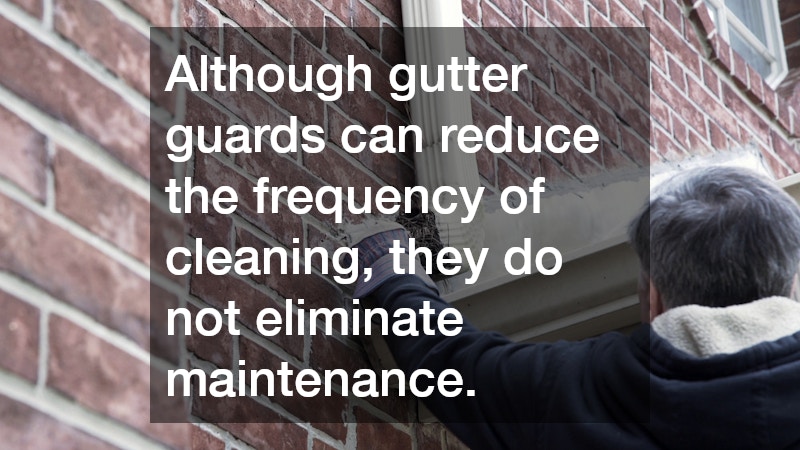
Although gutter guards can reduce the frequency of cleaning, they do not eliminate maintenance. Debris can still accumulate on top of certain guard styles, especially in areas with heavy tree coverage. Homeowners should have realistic expectations about the ongoing care required to keep the system functioning efficiently.
Cost is another major factor to evaluate before moving forward. The price of gutter guard installation can vary depending on the size of the home, the materials used, and the complexity of the installation process. While higher-quality systems may involve a larger upfront investment, they often provide better durability and performance over time.
It is also helpful to consider the long-term savings associated with reduced gutter cleaning and potential water damage prevention. Clogged gutters can lead to issues such as foundation erosion, roof damage, and landscape deterioration. By helping maintain consistent water flow, gutter guards may lower the likelihood of costly repairs in the future.
Gutter guards can be a valuable addition to a home’s drainage system, but they are not a one-size-fits-all solution. Evaluating the condition of your existing gutters, selecting the appropriate guard style, and understanding long-term maintenance requirements are all important steps before making a decision. By carefully considering these factors, homeowners can determine whether local gutter guard installation is the right investment for their property. When the system is properly selected and installed, gutter guards can help improve water management, reduce maintenance needs, and contribute to the overall protection of the home.